Locate The Septic Tank & Access Points Early
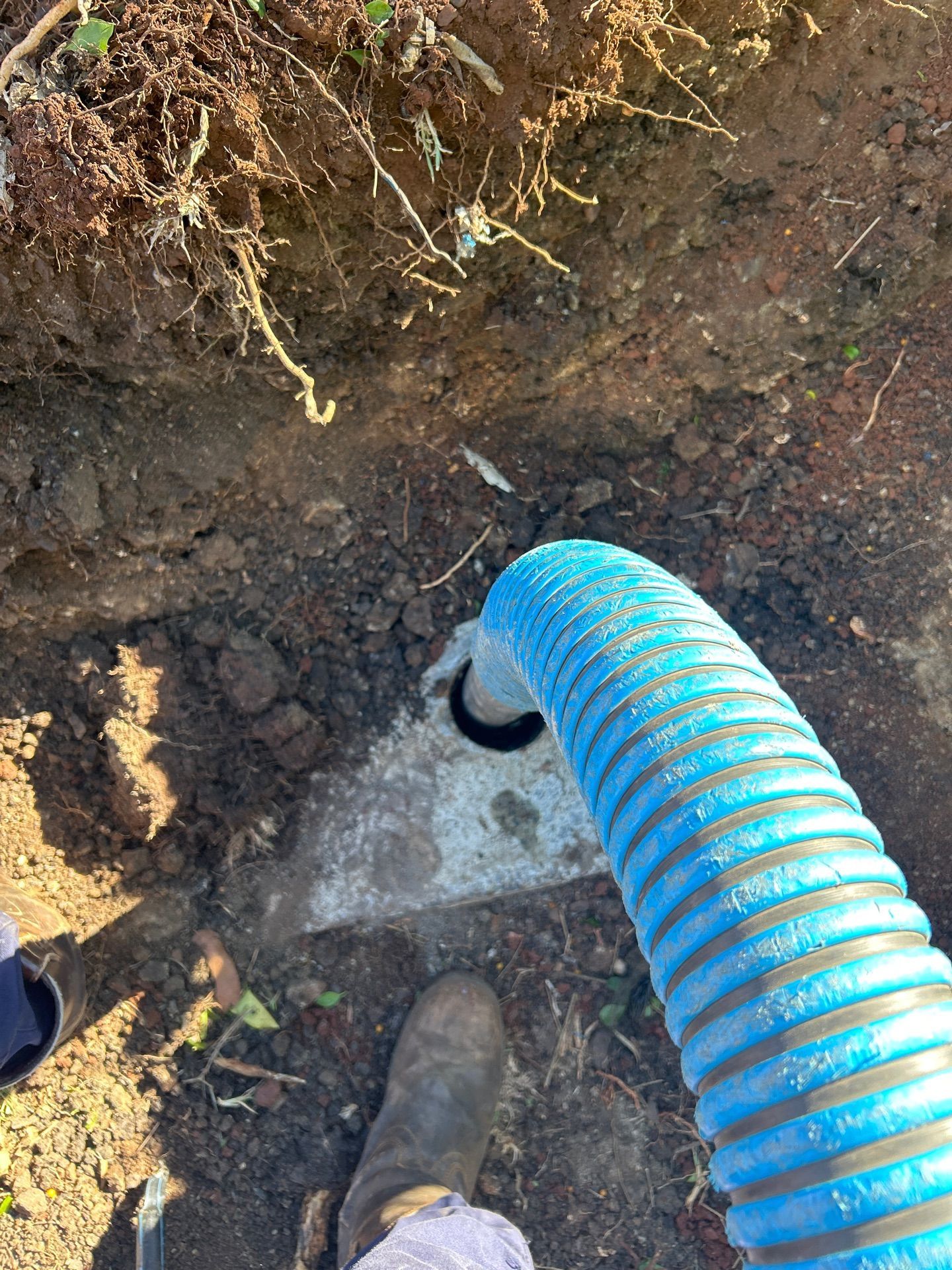
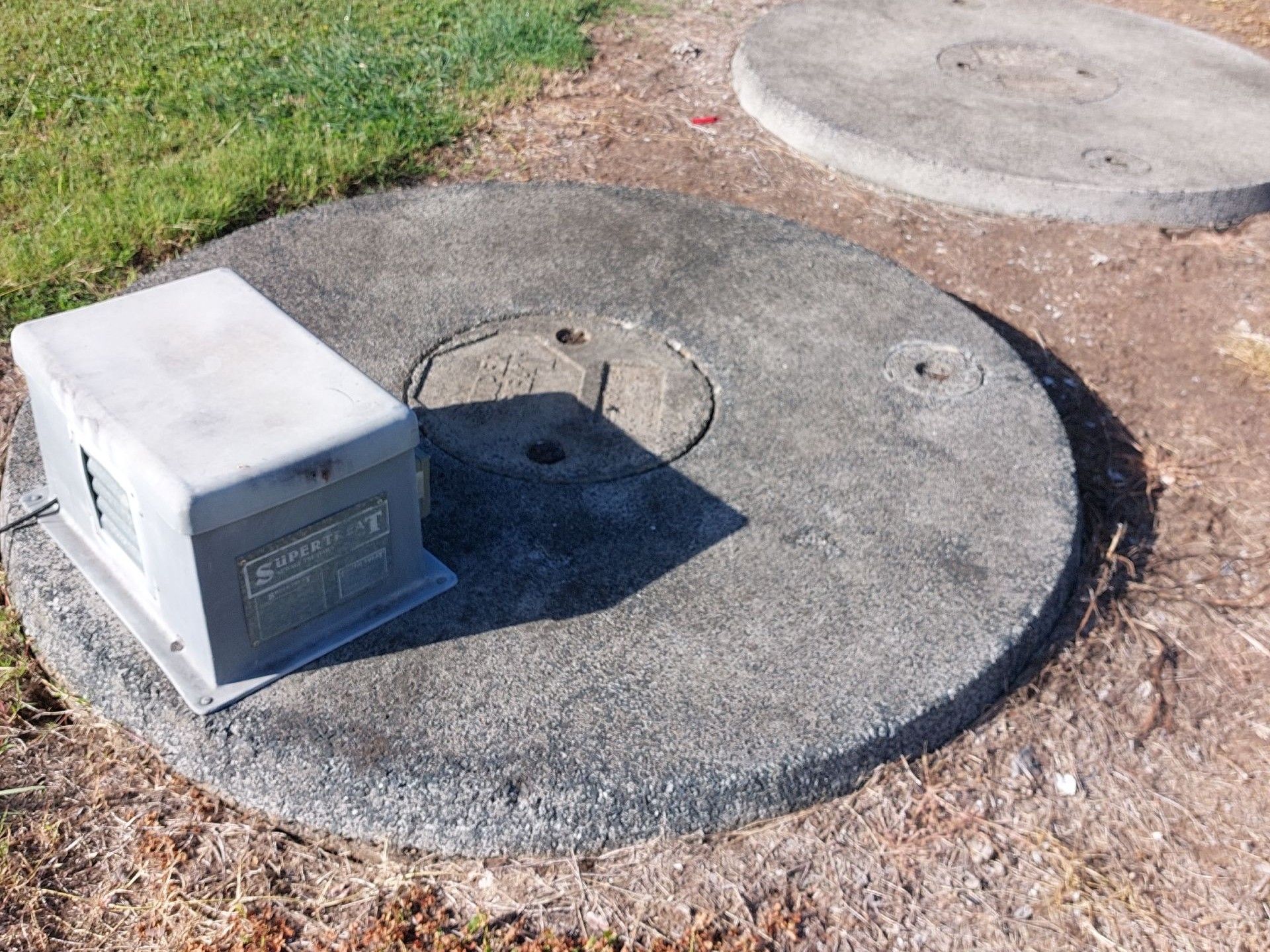
Knowing where the septic tank is located is one of the most important steps before any service takes place. Tanks are usually buried and designed to blend into the surrounding yard, which makes them easy to forget about over time. When access points cannot be located quickly, valuable time is lost and unnecessary ground disturbance may occur. This can also increase the risk of damage to surrounding surfaces. This preparation also reduces pressure on technicians to make assumptions on arrival.
The following checks help confirm access ahead of time:
- Review property plans & previous service records if available
- Look for inspection caps, lids & subtle ground markers
- Avoid probing or digging, which can damage lids or fittings
Confirming the tank’s position allows septic cleaning to begin promptly and reduces avoidable disruption to your property.
Clear The Area For Safe & Direct Equipment Access
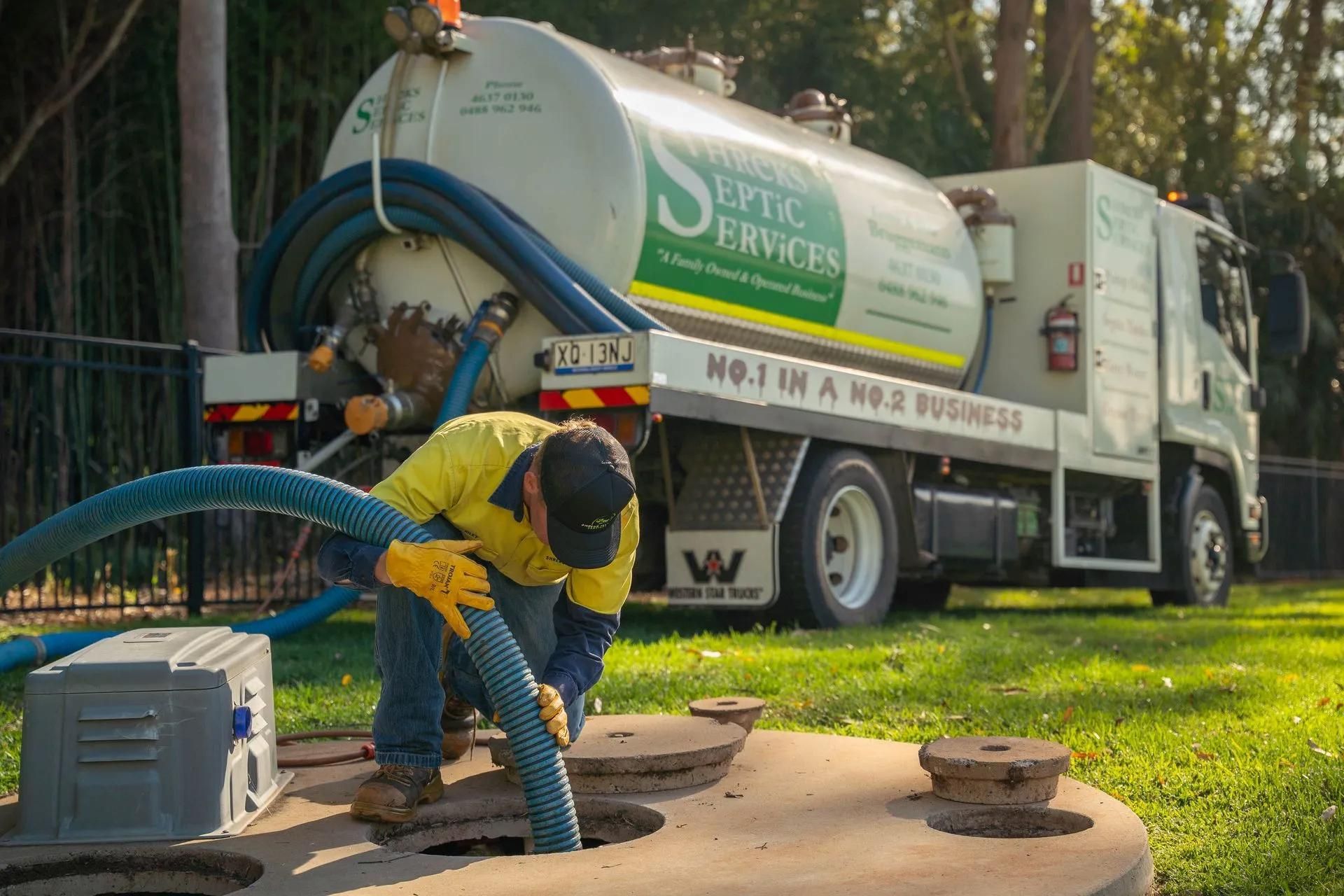
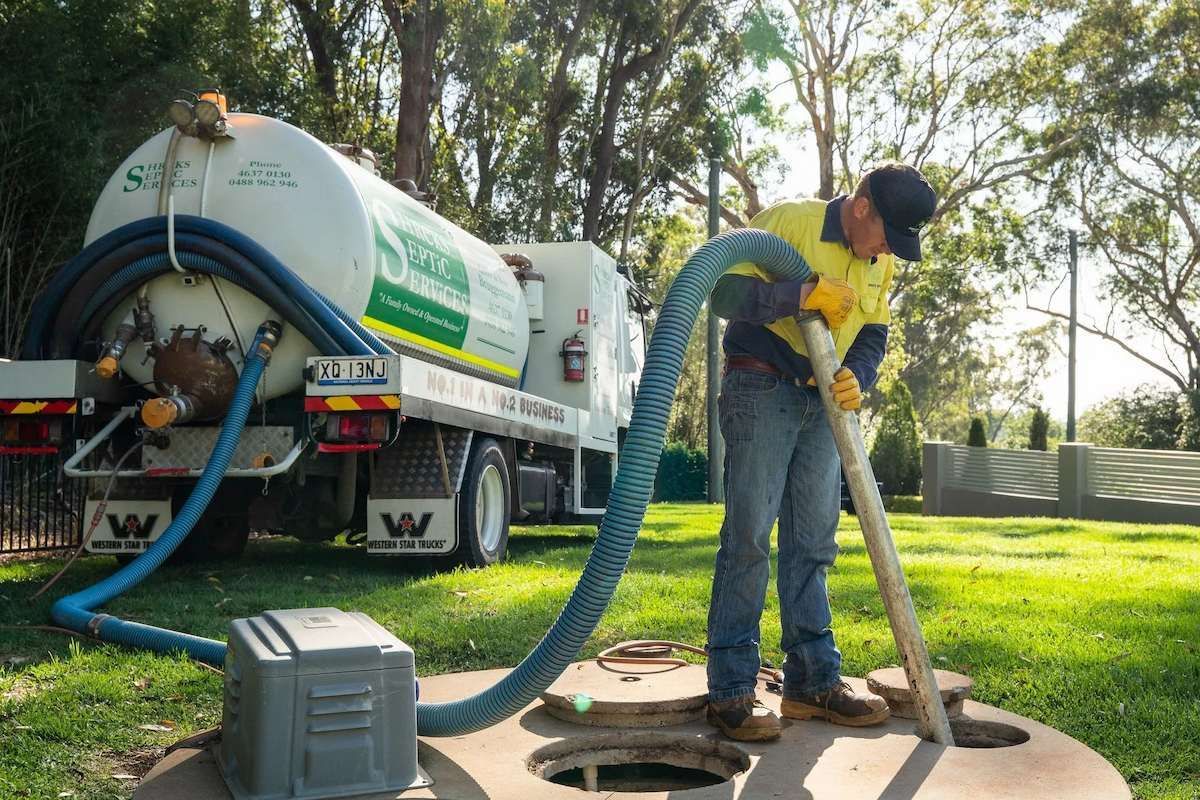
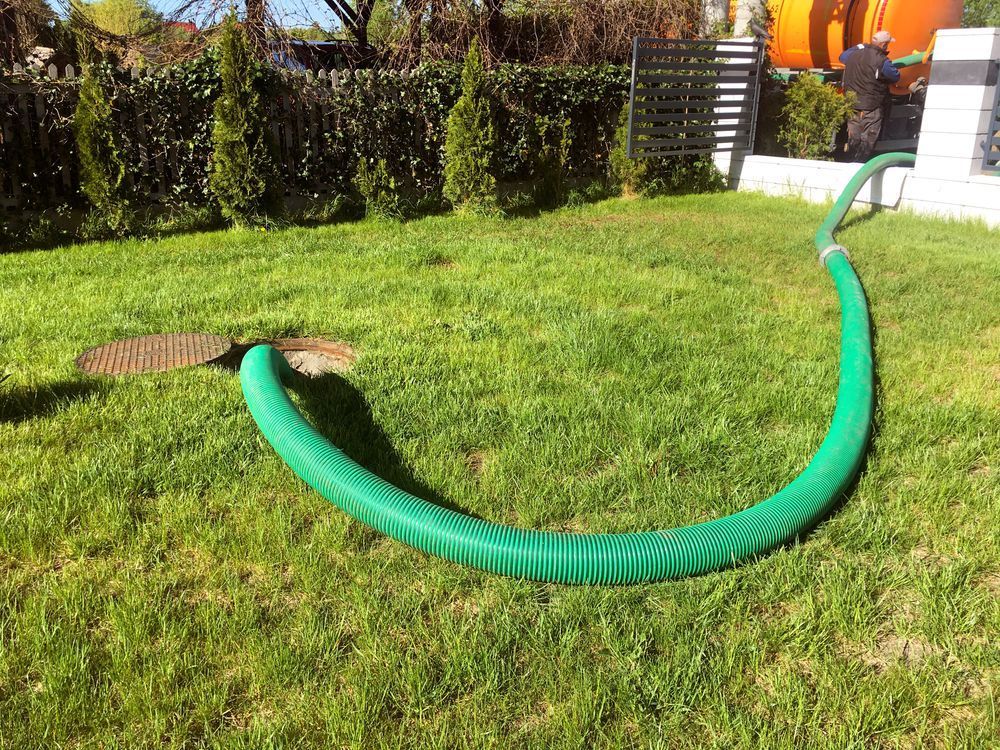
Septic cleaning equipment requires safe, unobstructed access to the tank and surrounding work area. Vehicles, garden features, stored materials or overgrown vegetation can slow the process and limit how effectively the system can be serviced. Preparing the space in advance supports a smoother workflow and helps prevent unnecessary delays on the day. Limited access can also restrict hose placement, which may affect how thoroughly the tank is emptied.
A quick check of the access route helps prevent issues:
- Move cars, trailers & bins away from the work zone
- Trim shrubs, branches & long grass near the tank
- Secure pets & ensure gates can be opened easily
Clear access allows technicians to focus on the system itself rather than navigating avoidable obstacles that can impact service time.
Take Note Of Recent System Behaviour & Changes
Septic systems often give early signs when something is not quite right, even if problems are not yet severe. Paying attention to recent behaviour helps technicians assess the system more accurately and determine whether anything beyond routine cleaning may need attention. Seemingly minor issues can become more significant if left unaddressed.
Before the appointment, think about recent patterns such as:
- Slow drains, gurgling sounds & inconsistent flushing
- Unpleasant odours inside or around the property
- Damp soil or unusually green grass near disposal areas
Sharing these observations helps septic cleaning address potential concerns alongside standard maintenance tasks.
Reduce Household Water Use Before The Service
Water use directly affects how settled a septic tank is at the time of cleaning. High water volumes immediately before the appointment can stir up contents, making pumping less effective and extending service time. Reducing unnecessary usage helps the tank stabilise and improves overall efficiency. This is particularly helpful for households where daily water demand varies without notice.
Simple adjustments can support a smoother clean:
- Spread out laundry loads & avoid back-to-back washing
- Limit long showers & high-volume water use
- Delay dishwasher cycles where practical
Allowing the tank contents to settle helps ensure waste is removed efficiently during septic cleaning, particularly in larger households.
Confirm Property Use & Occupancy Details
How a property is used has a direct impact on septic system load and cleaning requirements. Changes in household size, visiting guests or rental activity all influence how quickly a tank fills. Providing accurate information helps avoid assumptions and supports a more tailored service.
Before the service, consider:
- Number of occupants & recent changes
- Rental use, guests & vacancy periods
- New bathrooms, appliances or plumbing additions
Clear details allow septic cleaning services to align their approach with actual usage rather than averages.
Review Past Maintenance & Service Records
Previous service history provides valuable insight into a septic system’s condition. Maintenance records can highlight recurring issues, past recommendations or components that require ongoing monitoring. Even incomplete information can help build a clearer picture of system performance. Patterns across services often reveal issues that are not obvious during a single visit.
If available, gather details such as:
- Dates of previous cleans & inspections
- Notes on repairs, replacements or concerns
- Tank size, system type & manufacturer details
This context allows septic cleaning to build on past work and identify patterns rather than starting from scratch.
Understand What Septic Cleaning Covers & Excludes
Understanding what is included in a septic clean helps set realistic expectations and avoids confusion on the day. While cleaning is essential maintenance, it does not address every possible system issue. Knowing the difference allows homeowners to plan appropriately. This clarity helps homeowners make informed decisions without feeling rushed or pressured during the visit.
A standard service generally includes:
- Pumping out accumulated sludge & scum
- Visual checks of accessible components
- Reporting visible issues or risks
Being clear on the scope helps homeowners prepare for any recommended follow-up work.
Prepare Questions & Plan For Ongoing Care
A septic cleaning visit is a valuable opportunity to gain practical insight into your system. Preparing questions in advance helps homeowners leave the service with clearer guidance and confidence in ongoing care. This proactive approach supports better long-term outcomes. This approach helps homeowners feel informed rather than reactive about future maintenance decisions.
Consider asking about:
- Recommended cleaning frequency based on usage
- Early warning signs to watch between services
- Everyday habits that support septic performance
Using the visit proactively helps support long-term system reliability and reduce unexpected issues.
Ready To Book With Confidence?
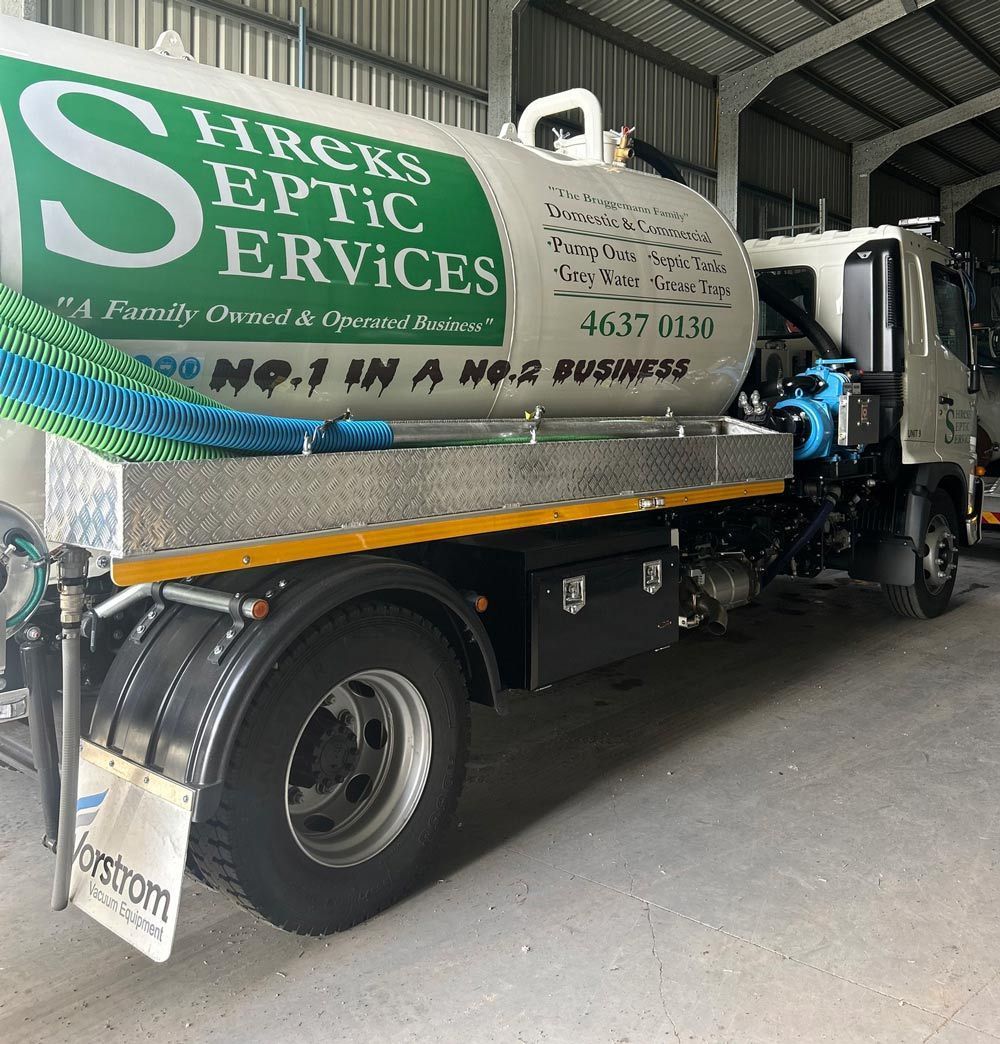
We at Shrek Septic Services help homeowners, landlords and property managers keep septic systems running smoothly and reliably. Preparing your system using this checklist helps reduce delays and ensures efficient results on the day. If you’re organising septic tank cleaning in Toowoomba or searching for septic cleaning near me, contact us to book your service and receive practical guidance shaped by local challenges.