How A Septic Tank Works: And Why Pump Outs Are Essential For System Health

Shreks Septic Services • December 9, 2025

A septic system seems quiet and simple, yet it is working the whole time you run taps or flush. When you understand the basics, you can prevent problems before they surface. If you’re comparing septic tank cleaning in Toowoomba options, this guide explains how the system functions, why routine pump outs matter and what you can do between services to protect your trenches. It is general information only. Always follow advice from a licensed contractor for your property.

Septic System 101: The Parts Doing the Work

Your septic is a small treatment plant. Wastewater leaves the house through one pipe into the tank. Baffles slow the flow so solids settle. Clarified liquid then moves to absorption trenches where soil microbes finish the job.


  • Tank holds wastewater long enough for separation
  • Inlet and outlet baffles prevent shortcuts and stop scum escaping
  • Effluent filter (if fitted) adds protection for trenches
  • Absorption trenches spread treated effluent into soil


If any link fails, the whole system struggles. That is why inspection and cleaning are paired, not optional extras.

What Happens Inside the Tank

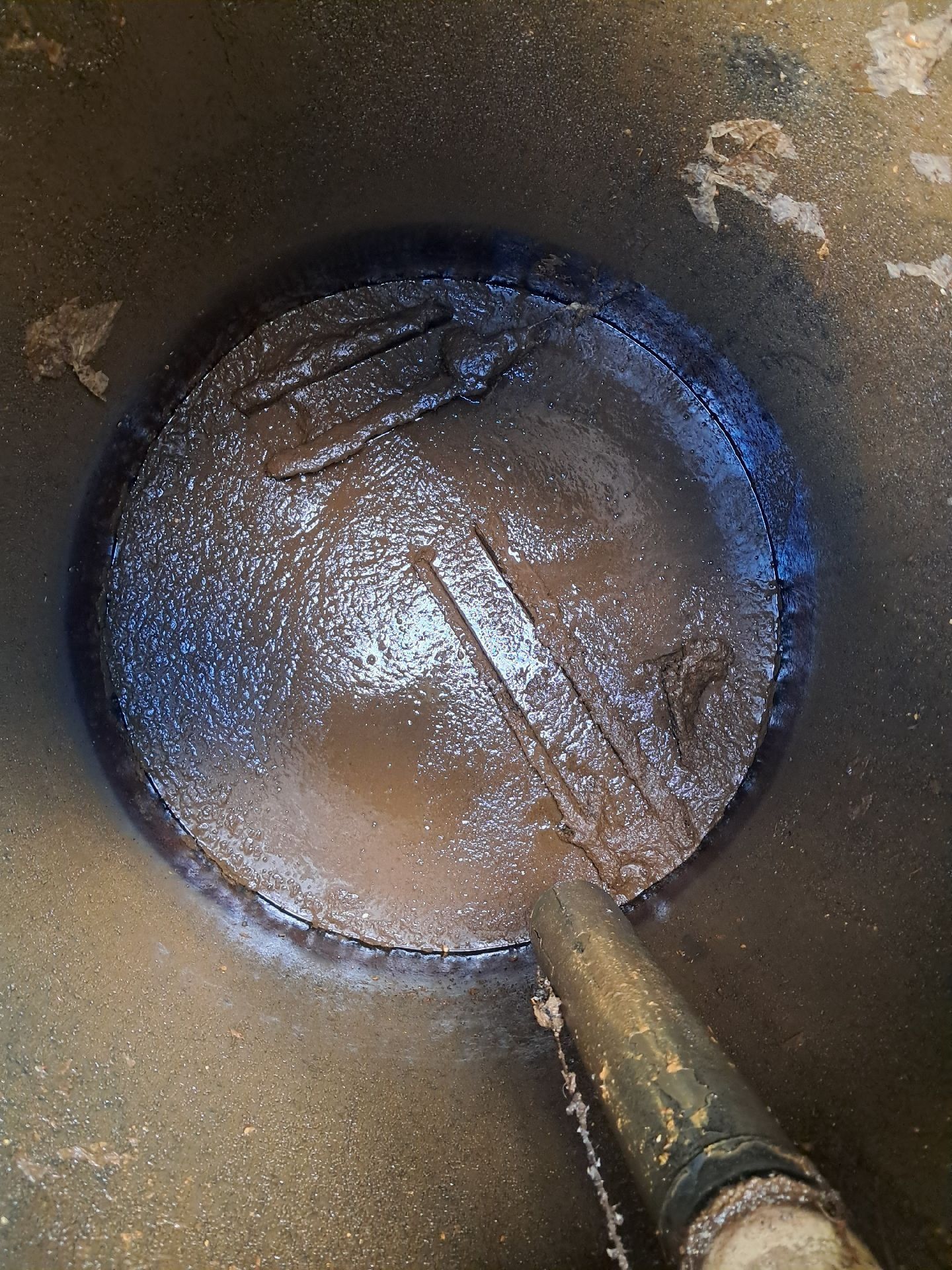
Three layers form inside the tank. Heavy solids sink as sludge. Oils float as a scum layer. Liquid in the middle is effluent. Bacteria break down some solids, not all. Sludge keeps rising until it steals space from the liquid layer and threatens the outlet baffle. Once sludge and scum climb high enough, they push solids toward the trenches. A routine pump out prevents that transfer and resets the tank’s working volume.

Why Pump Outs Matter & When To Book

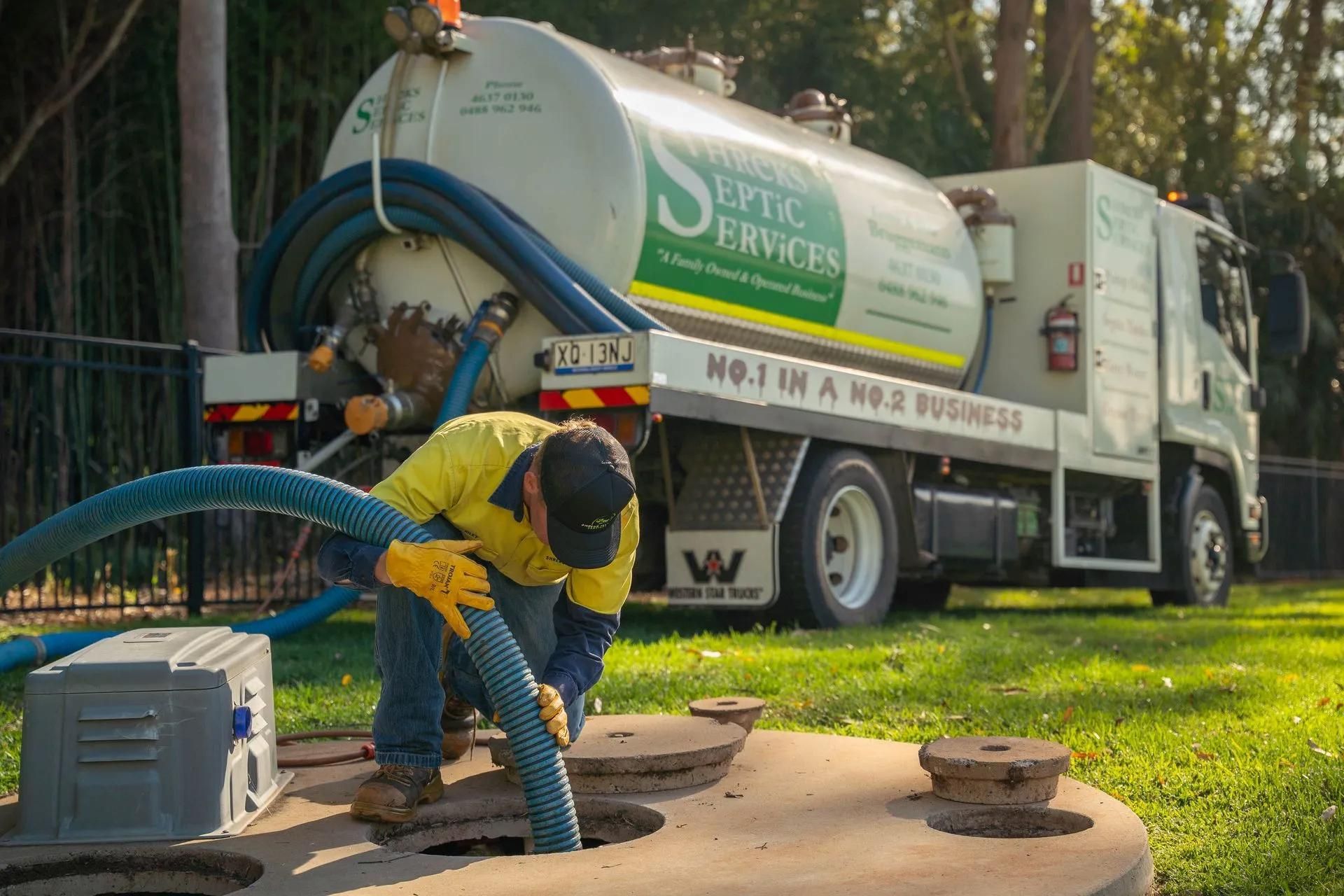
A pump out removes sludge and scum so the tank can separate properly again. It protects the outlet baffle, stops solids from reaching trenches, and restores capacity. Many homes need a pump out every 3 to 5 years, but Toowoomba properties vary with tank size, household size, and water use. Shorter intervals suit small tanks, big families, frequent guests or heavy kitchen use. Longer intervals may suit larger tanks with light flows. If you cannot recall the last date, you are due to check. Booking septic cleaning in Toowoomba on a set schedule costs less than repairing a saturated drainfield.

Signs You’re Overdue for Septic Cleaning

Catch symptoms early to avoid damage.


  • Slow drains across more than one fixture
  • Gurgling after showers or washing machine cycles
  • Odours near lids or trenches on warm still days
  • Wet patches that persist over trenches
  • High liquid level at inspection points
  • Stretched service interval beyond your contractor’s advice


If you searched 'septic cleaning near me' because one or two of these sound familiar, act now before solids migrate.

What a Professional Pump Out Should Include

Good contractors do more than vacuum liquid. A thorough service covers:


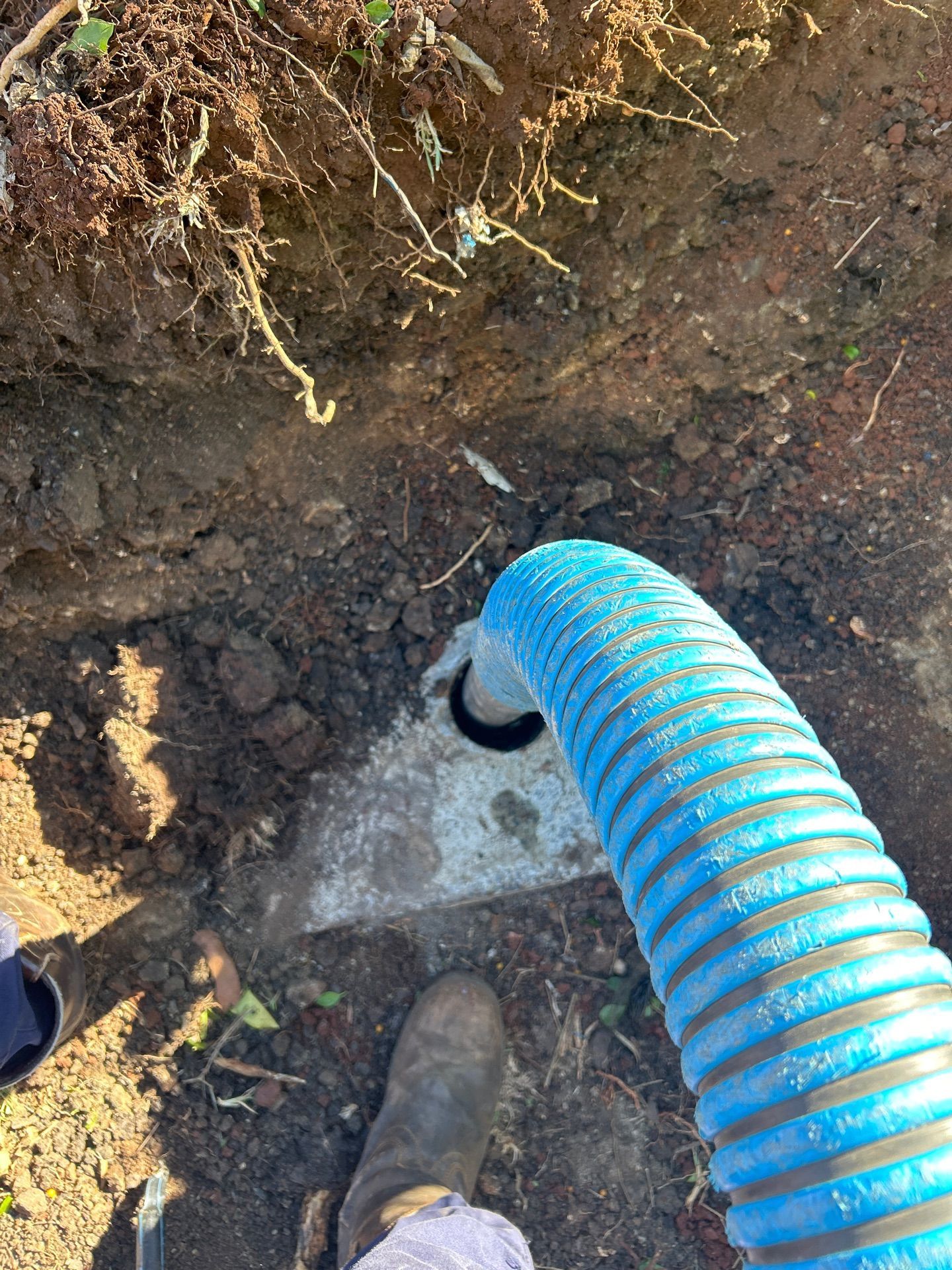
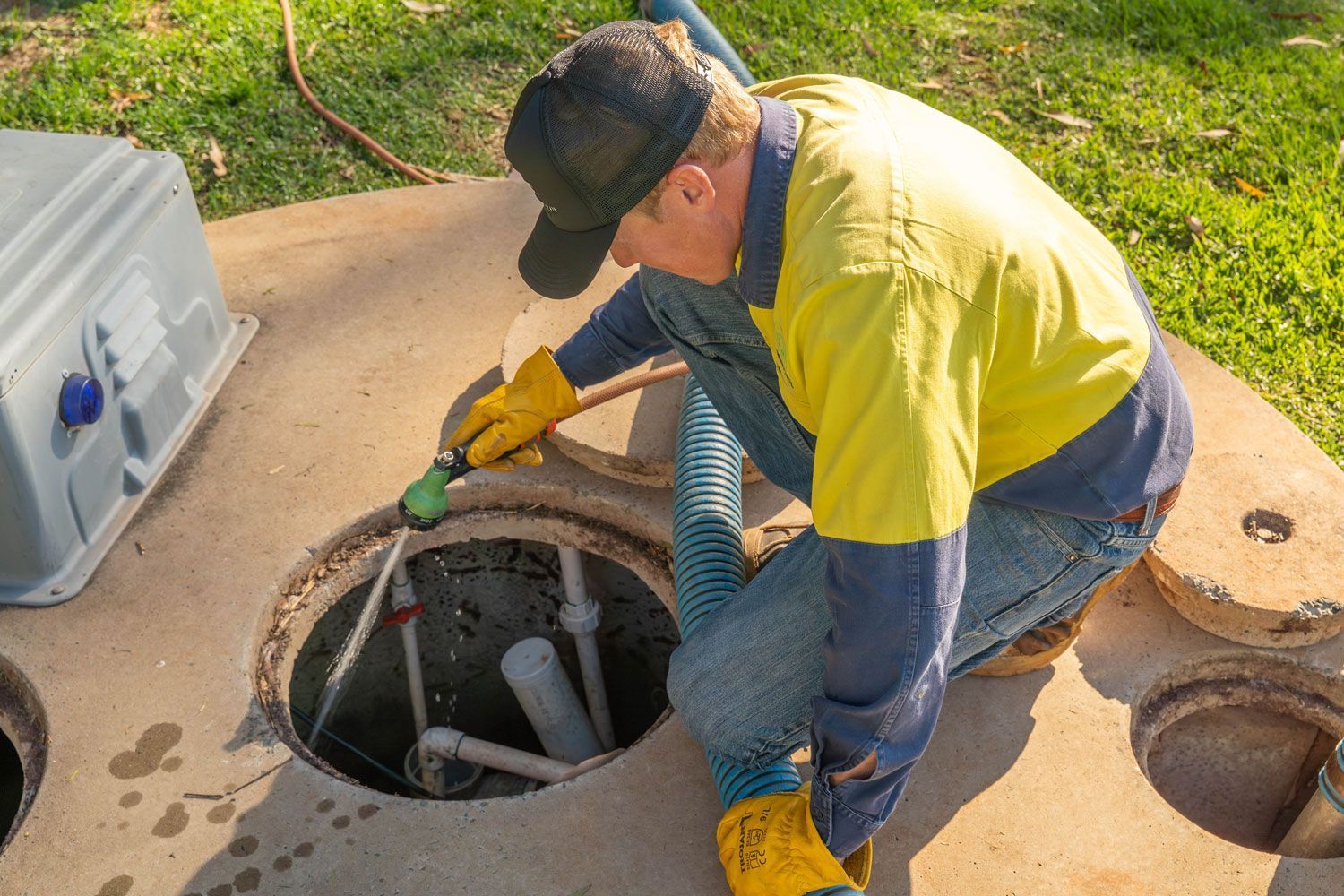
  • Locate & expose access without damaging lids or lawns
  • Pre-inspection of levels, baffles & any effluent filter
  • Agitation & full removal of sludge & scum, not just liquid
  • Rinse and backflush to clear stubborn deposits where suitable
  • Checks of baffles, lids & seals for cracks or movement
  • Effluent filter clean plus advice on cleaning frequency
  • Disposal at an approved facility & clear service notes


This creates a clean baseline so the tank can work the way it was designed.

What Happens If You Delay a Pump Out

Skipping cleaning does more than risk a bad smell. It shortens trench life.


  • Solids reach trenches & clog soil pores so effluent cannot soak away
  • Backups indoors because the tank has nowhere to send liquid
  • Tank damage as acids sit against concrete or steel for too long
  • Higher costs from emergency callouts or trench rehabilitation
  • Health & environmental risks if untreated wastewater surfaces or moves off-site


Routine septic tank cleaning in Toowoomba keeps risk low and capacity high.

Toowoomba Conditions That Change the Rules

Local factors alter how often you should service and how the system behaves.


  • Soils & slope: Clay or compacted soils accept effluent more slowly than sandy loams. Slope changes how water moves underground.
  • Seasonal rain: Intense downpours can saturate soil. Pump outs and flow control help the system keep pace.
  • Water habits:Long showers and frequent small laundry loads push more water through the tank. Front loaders and staggered cycles help.
  • Kitchen waste: Fats and food solids speed sludge growth. Scrape plates into the bin and fit sink strainers.
  • Extra users: Granny flats, home offices or short stays can double usage for weeks. Adjust your schedule rather than hoping for the best.


A local plan beats a generic timetable. What works inland may not suit a hillside with heavy clay.

Simple Habits That Extend System Life

You do not need a complex routine. Small changes add up.


Do:


  • Stagger laundry through the week to avoid hydraulic overload
  • Fix drips & running toilets so clean water does not flood the tank
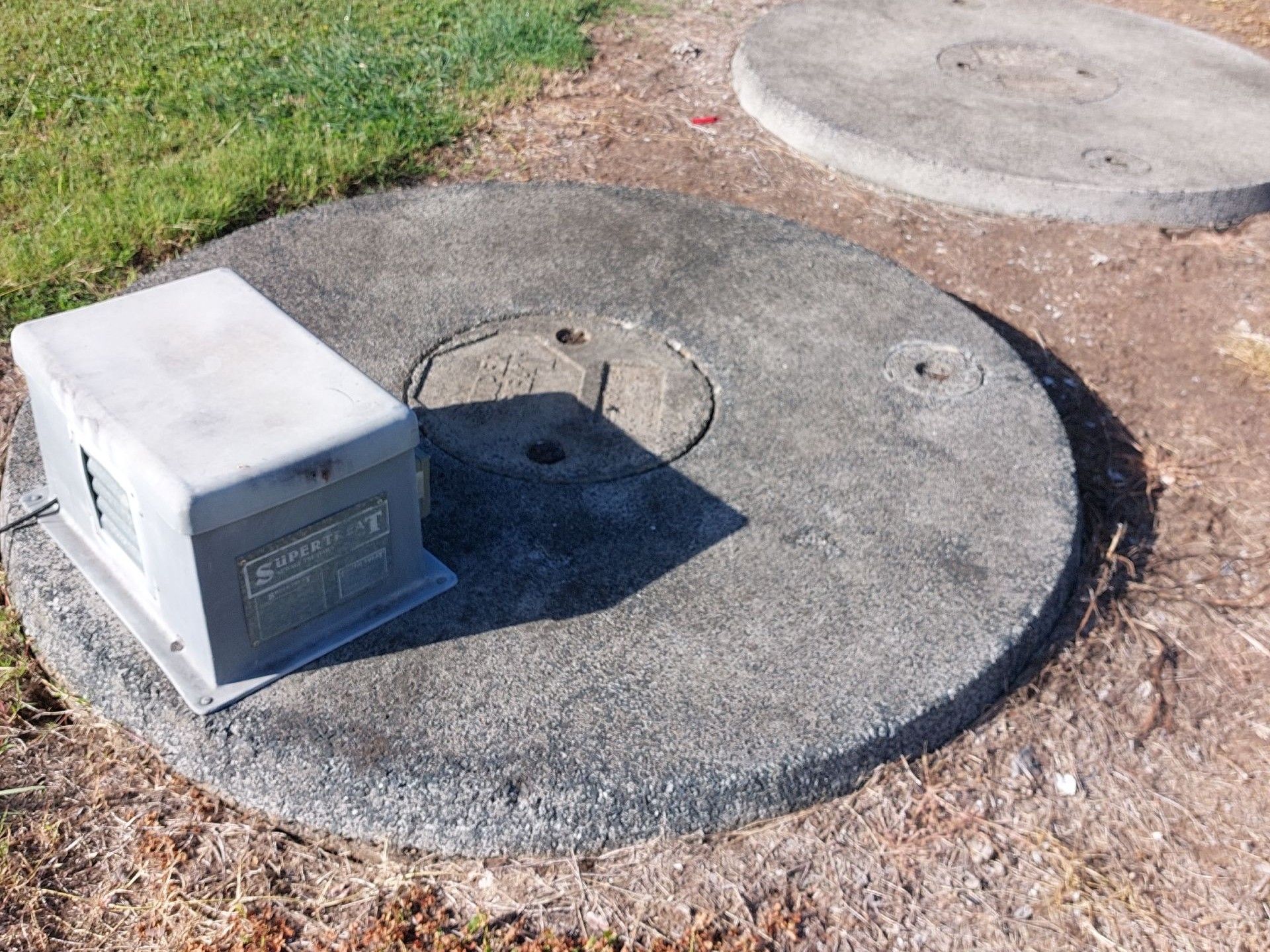
  • Know where lids and trenches are & keep vehicles off them
  • Clean the effluent filter as advised & note the date on the lid


Don’t:


  • Flush wipes, cotton buds or nappies
  • Pour paint, solvents or strong cleaners into the system
  • Trust additives that claim to replace pump outs
  • Plant trees over trenches where roots chase moisture
  • Ignore new odours or wet patches


These habits reduce sludge growth, protect soil pores and keep services predictable.

Planning & Service Day: What To Expect

Treat septic cleaning like scheduled maintenance. Set a reminder based on your last pump out. If records are missing, book an inspection and pump out now to establish a baseline, then ask your contractor to suggest a service interval based on tank size and household use.


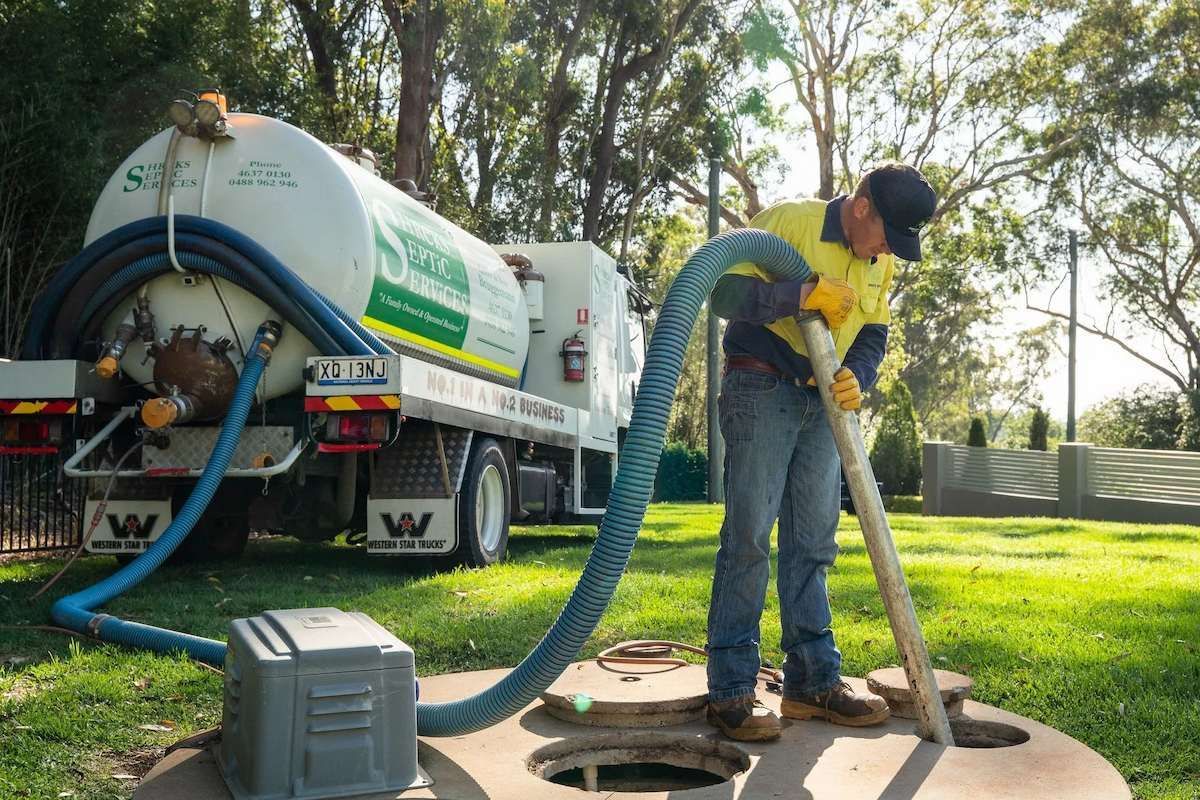
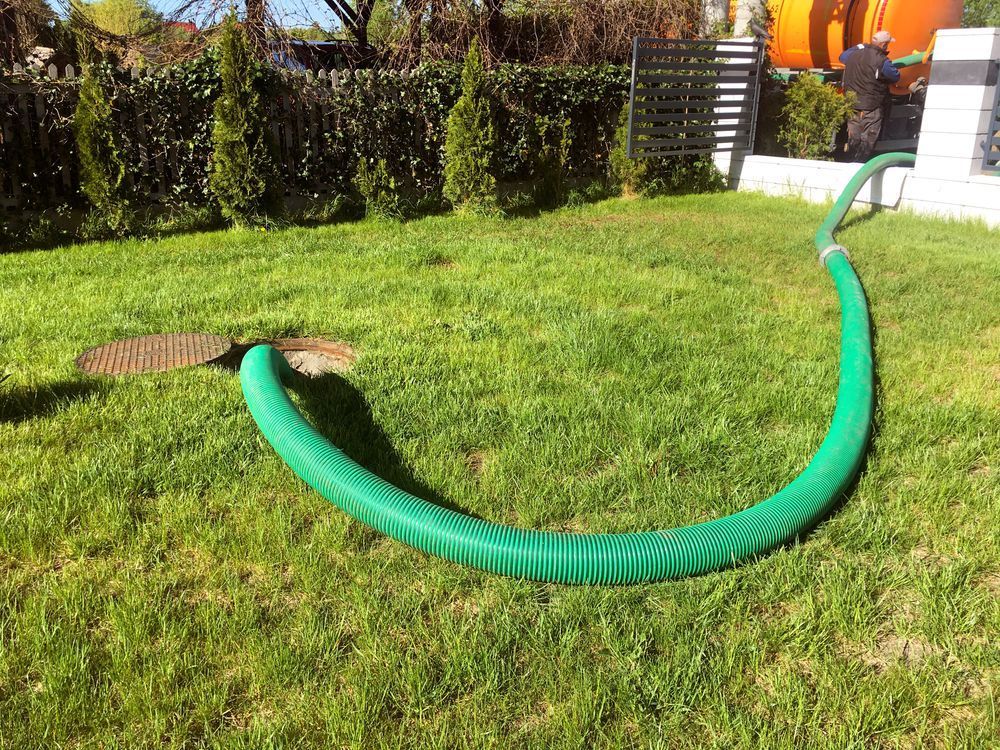
On the day, provide clear access for the truck and space around lids. Secure pets and move vehicles. A standard pump out usually takes one to two hours depending on tank size and condition. You should receive notes on baffles, filter status and any early warnings. If trenches are saturated, your contractor will outline next steps which may include rest periods, flow management or further inspection.

Need Septic Tank Cleaning in Toowoomba? Here’s the Easy Way

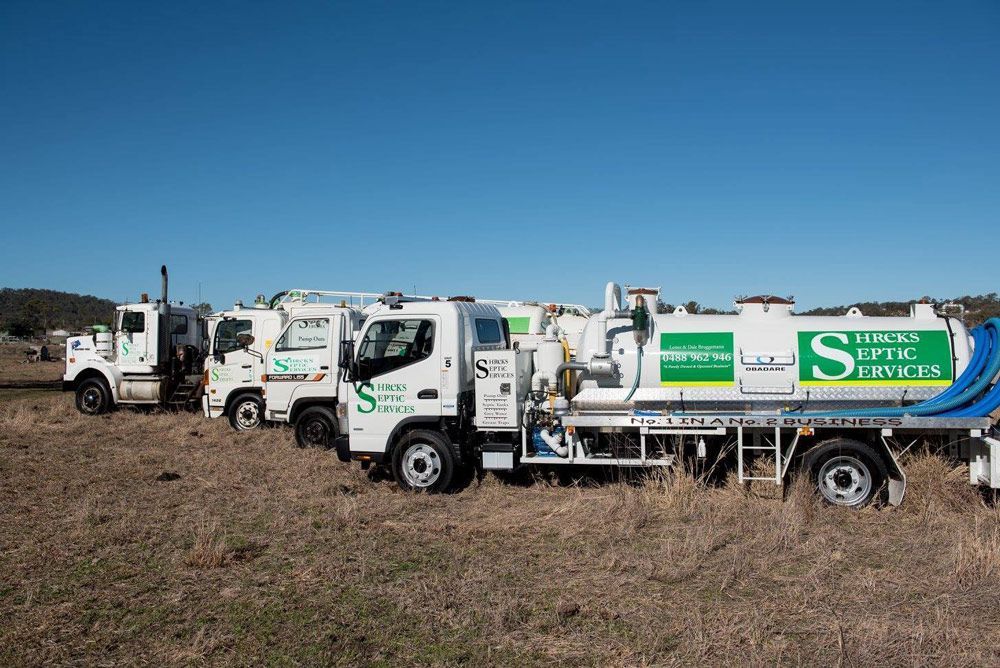
Skip the guesswork and book with a local team that handles the whole job from access to disposal. Visit Shrek Septic Services at https://www.shreksepticservices.com.au/ to schedule septic tank cleaning in Toowoomba or enquire for larger rural properties. Tell us your tank size if you know it, the last service date, and any recent symptoms. We’ll set a time, arrive with the right gear, clean the tank properly and leave you with clear notes plus a reminder for next time. When you type 'septic cleaning near me', choose the crew that keeps your system healthy and your weekends peaceful.

A septic tank being pumped out
By Shreks Septic Services September 19, 2025
Unsure if your septic tank is full? Visit Shreks Septic Services' blog to discover what to look out for! We pump out septic tanks across Toowoomba.
Grease Trap
By Shreks Septic Services August 22, 2025
Prevent costly plumbing issues by keeping grease traps clean and functional. Act now—book a service to safeguard your system.
A grease trap behind a commercial building.
By Shreks Septic Services August 3, 2025
Grease trap cleaning in Toowoomba helps protect waterways and supports sustainability. Learn why regular maintenance matters for your food business—read now!
More Posts