A septic system works quietly in the background, but its performance depends on much more than the tank itself. Beneath the surface, soil plays a major role in how wastewater drains, filters and disperses. For Septic Tank Cleaning Toowoomba homeowners may be considering, understanding local soil conditions can help explain why some systems cope well for years while others struggle with slow drainage, odours, pooling water or recurring maintenance issues.
The soil around a septic system affects how treated wastewater moves away from the tank and through the absorption area. If the soil holds too much water, drains too quickly or compacts heavily, the system may become less efficient. Regular cleaning, inspections and maintenance help keep the tank functioning, but long-term reliability also depends on how well the system suits the ground beneath the property.
Soil Is Part of the Septic System
A septic system is not just a buried tank and a few pipes. The surrounding soil acts as the final treatment and dispersal zone, helping filter wastewater after it leaves the tank. When soil conditions are suitable, liquid can move steadily through the absorption area without overwhelming the ground. When conditions are poor, wastewater may move too slowly, too quickly or unevenly.
This is why soil type matters during installation, property assessment and ongoing maintenance. A tank can be cleaned and functioning properly, yet the system may still struggle if the absorption area is saturated, compacted or poorly matched to the site. Homeowners who understand this connection are better prepared to spot early warning signs and arrange help before problems become disruptive.
Healthy septic performance depends on several soil-related factors:
- Drainage speed
- Soil depth
- Compaction level
- Water table height
- Absorption area condition
Clay Soils Can Slow Wastewater Movement
Clay soil is dense and holds water for longer than other soil types. This can create challenges for septic systems because wastewater may not disperse quickly enough through the absorption area. When liquid moves too slowly, the ground can become saturated, leading to soggy patches, odours or wastewater backing up through drains. Clay can also expand and contract with changing moisture levels, which may affect surrounding pipes and trenches.
Homes built on clay-heavy ground often need careful system design and consistent maintenance. The tank must be cleaned before solids build up and move into the drainage area. Once solids reach the absorption zone, they can make slow-draining soil even less effective. Professional septic cleaning and inspections help reduce this risk by keeping the tank’s internal balance under control.
Clay soil issues may appear through these signs:
- Slow-draining fixtures
- Wet patches near trenches
- Strong outdoor odours
- Frequent system backups
- Pooling after rain
Sandy Soils May Drain Too Quickly
Sandy soil usually drains faster than clay, but fast drainage is not always ideal. If wastewater moves too quickly through the soil, it may not receive enough natural filtration before travelling deeper into the ground. This can create concerns for system efficiency and environmental protection, particularly where site conditions are not carefully managed.
A septic system on sandy ground still needs regular cleaning and inspection. Fast-draining soil can sometimes hide early problems because liquid disappears quickly, even when the tank is overloaded or solids are accumulating. Over time, poor maintenance can still lead to blockages, odours or contamination risks. A professional can assess whether the system is operating properly and whether the absorption area is coping with household wastewater.
Sandy soil sites should be monitored for these risks:
- Rapid wastewater movement
- Reduced filtration time
- Hidden overload issues
- Dry-looking problem areas
- Poor nutrient control
Loamy Soils Often Support Better Balance
Loamy soil is often more balanced because it contains a mix of sand, silt and clay. This can support steadier drainage and better filtration compared with soils at either extreme. A well-designed septic system in loamy soil may disperse wastewater more evenly, helping the absorption area perform more reliably.
However, loamy soil does not remove the need for maintenance. Overuse, heavy vehicles, tree root intrusion, poor drainage around the property or delayed tank cleaning can still create problems. Even good soil can become less effective if solids leave the tank and clog the absorption area. Regular septic servicing helps protect both the tank and the surrounding ground by reducing avoidable strain on the system.
Loamy soil usually performs best when these conditions are protected:
- Even wastewater flow
- Minimal surface compaction
- Clear drainage zones
- Controlled root growth
- Regular tank maintenance
Compaction Reduces Drainage Performance
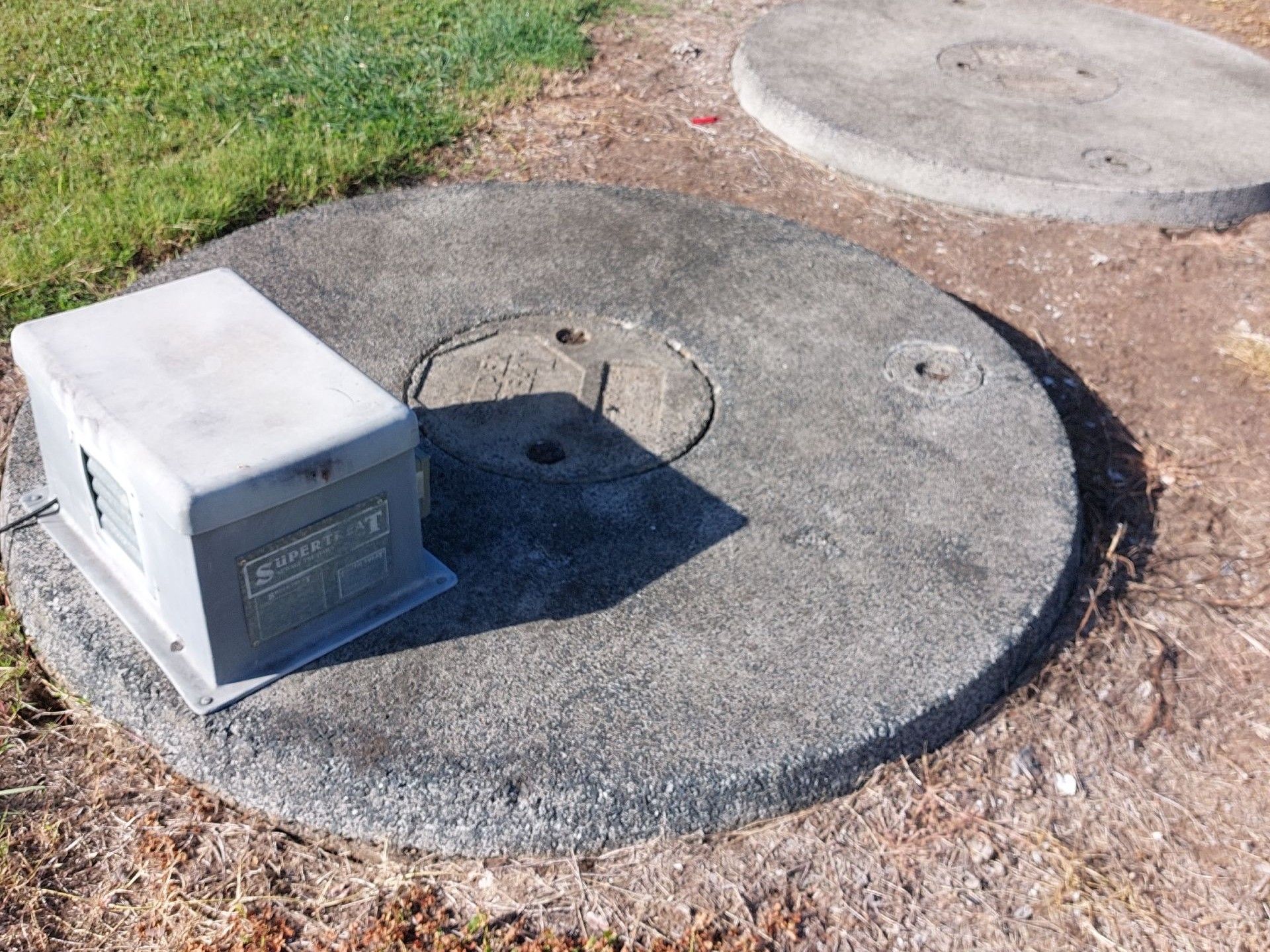
Soil compaction can affect any septic system, regardless of the natural soil type. When soil becomes compressed, the spaces that allow air and water to move through the ground become smaller. This makes it harder for wastewater to disperse properly. Compaction can be caused by vehicles, heavy equipment, livestock, stored materials or repeated foot traffic over the absorption area.
The drainage field should be kept clear and protected wherever possible. Parking over it, building structures on it or using it as a storage area can reduce its ability to function. Once compacted, soil may struggle to recover without professional assessment. Preventing compaction is usually much easier than fixing the problems it creates.
The absorption area should be protected from these pressures:
- Vehicle parking
- Heavy machinery
- Garden sheds
- Stockpiled materials
- Frequent traffic
Rainfall Can Expose Soil Weaknesses
Heavy rain can quickly reveal whether soil is coping with septic wastewater. When the ground is already wet, wastewater from the system has less room to disperse. Clay soils may become saturated for longer, while low-lying or poorly drained sections can hold water around the absorption area. This can increase the risk of odours, slow drainage and system overload.
During wet periods, homeowners should reduce unnecessary water use where possible. Spreading laundry loads across the week, repairing leaking taps and avoiding excessive water discharge can all help reduce pressure on the system. If problems appear after rain, they should not be ignored. The issue may be linked to soil drainage, tank capacity, blocked lines or an absorption area that needs attention.
Wet-weather septic stress can show through:
- Gurgling drains
- Slow toilet flushing
- Damp lawn areas
- Wastewater smells
- Surface pooling
Cleaning Protects the Drainage Area
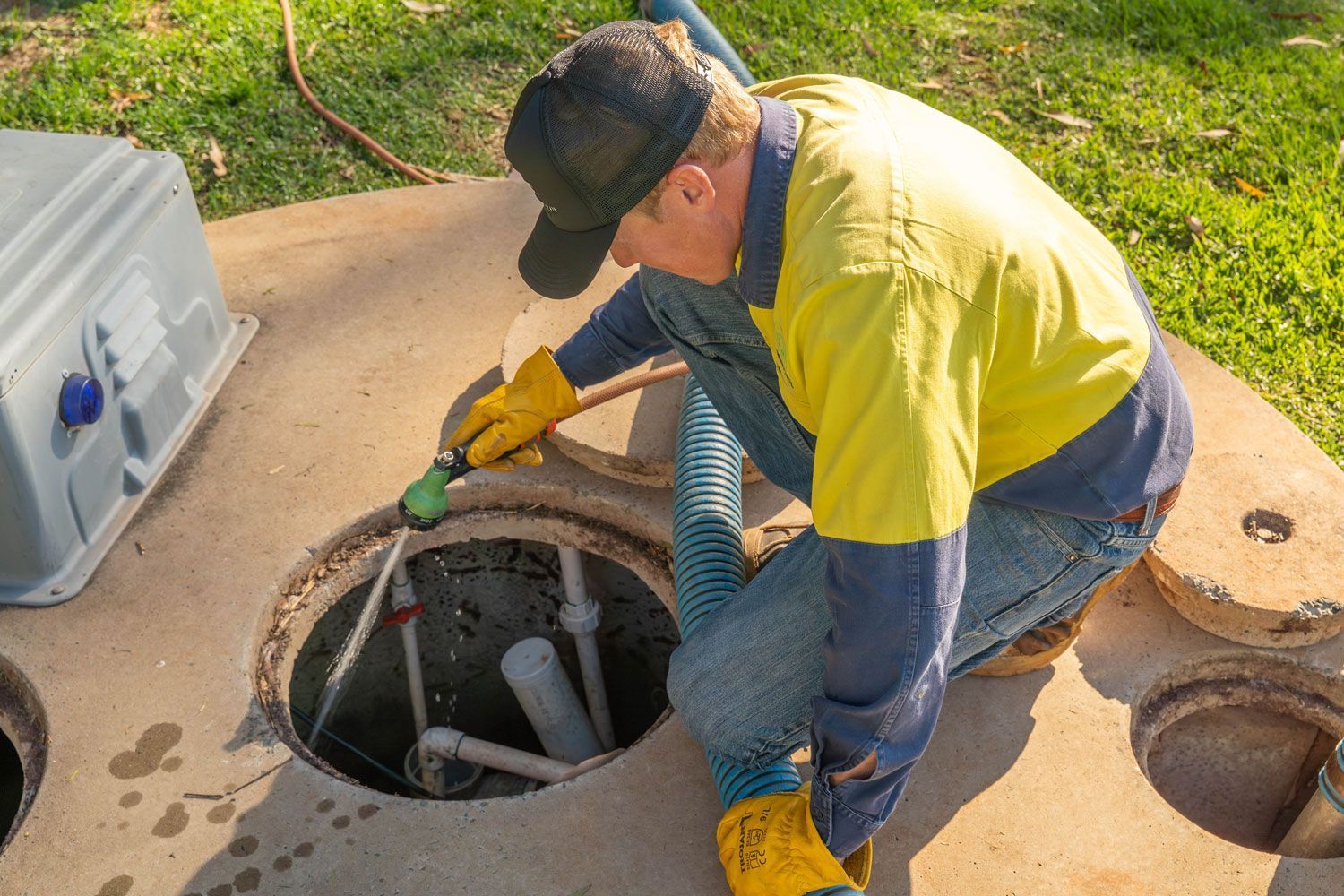
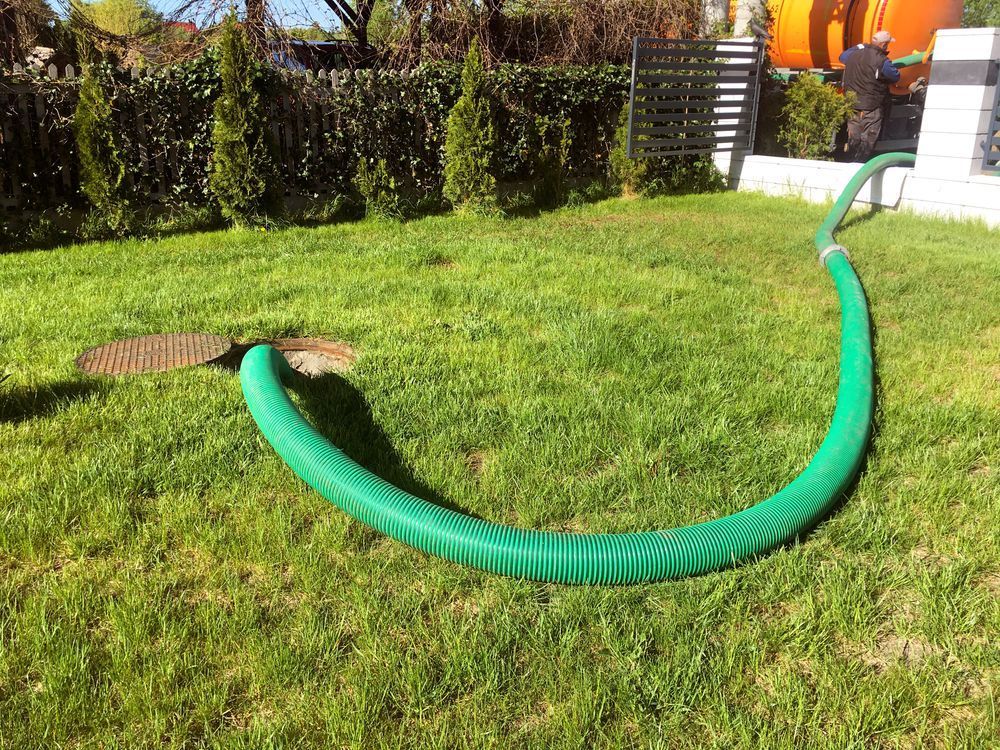
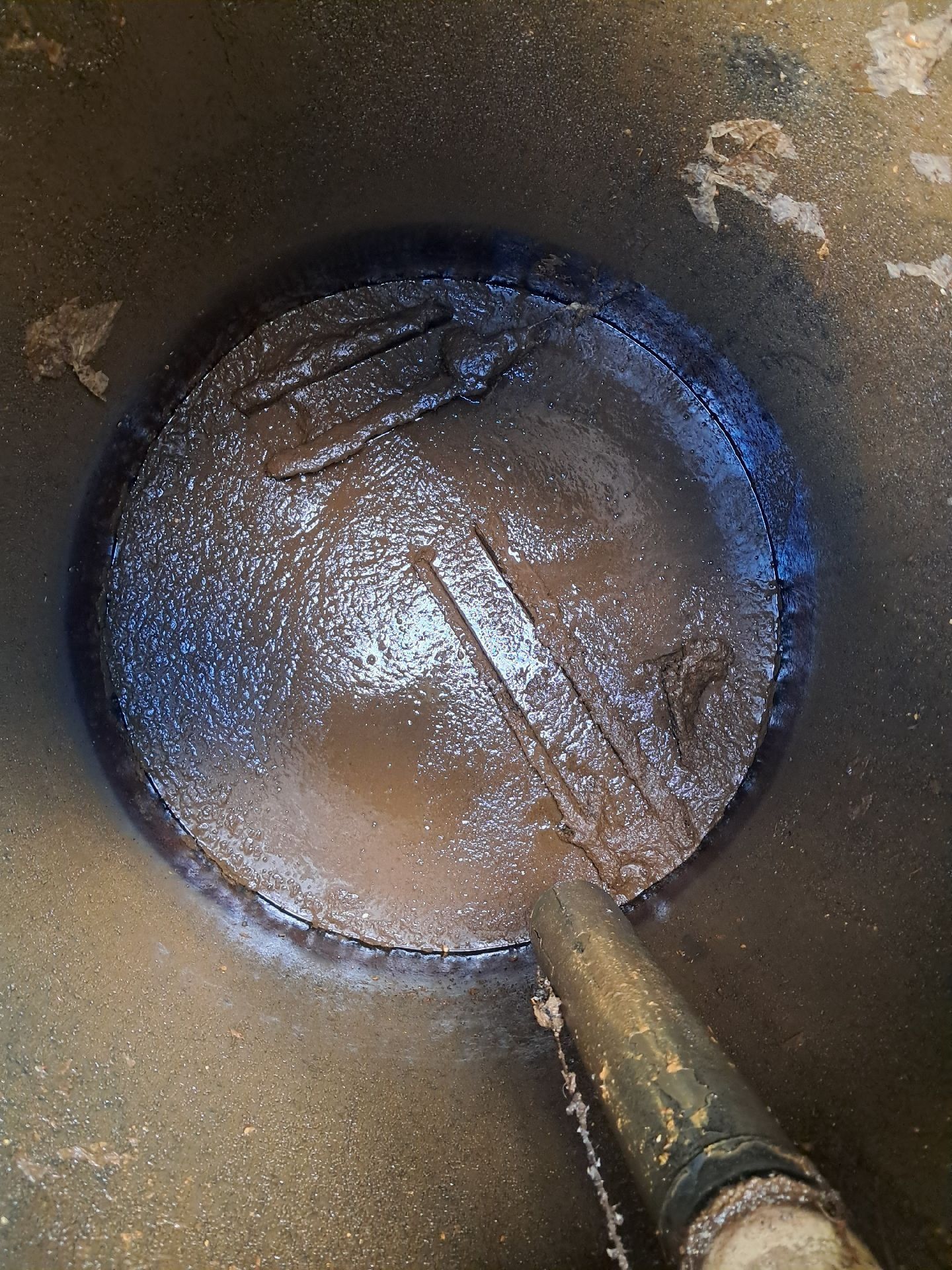
Septic tank cleaning helps prevent solids from building up inside the tank and moving into the absorption area. Once sludge or scum escapes into drainage lines, it can clog the soil interface and reduce the system’s ability to disperse wastewater. This is especially problematic on sites with slow-draining soil, where the ground is already working hard.
For homeowners searching for Septic Cleaning in Toowoomba, the aim should be preventative maintenance rather than waiting for a backup or odour problem. Cleaning frequency depends on household size, tank size, water use and system condition. A professional service can remove accumulated solids and identify signs that the system may need further attention.
Regular cleaning helps reduce avoidable septic problems:
- Sludge build-up
- Blocked outlet filters
- Drainage field stress
- Bad odours
- Emergency callouts
Inspections Help Match Maintenance to Soil Conditions
Different soil conditions can call for different maintenance habits. A property with heavy clay may need closer attention to water use and drainage performance. A sandy site may require careful monitoring to ensure wastewater is being treated effectively. A rural property, investment property or newly purchased home may also need inspection to confirm the system is suitable for the land.
A professional inspection can assess the tank, baffles, outlet, pipework and visible drainage area. It can also help identify warning signs such as soggy ground, root intrusion, surface movement or poor wastewater flow. For anyone searching for septic near me, choosing a service that understands how soil affects septic performance can lead to better long-term advice.
A septic inspection may include checks of:
- Tank condition
- Sludge levels
- Outlet components
- Drainage field signs
- Soil-related stress
Keep Your Septic System Working with the Ground Beneath It
We at Shrek Septic Services help Toowoomba homeowners, rural property owners, buyers, investors, builders and developers manage septic systems with practical cleaning, maintenance and advice suited to local soil challenges. If your system is slow, overdue for cleaning or showing signs of drainage stress, contact us to book septic support and protect your property from avoidable wastewater problems.