A Homeowner’s Guide To Creating A Septic Maintenance Schedule
For many homeowners, a septic system operates quietly in the background without much attention. It is easy to assume everything is working as it should until a noticeable issue appears. However, like many essential systems in a home, septic systems rely on consistent care to function over time.
Creating a maintenance schedule is one of the most practical ways to manage this. Rather than reacting to problems, a structured approach allows homeowners to stay aware of how their system is performing and when it may need attention. With a clear plan in place, it becomes easier to manage routine tasks and reduce the likelihood of unexpected disruptions.
Why every septic system needs a structured maintenance schedule from the start
A septic system is designed to handle daily wastewater, but its performance depends on regular upkeep. Without a schedule, it can be difficult to know when inspections or cleaning should take place, especially if there are no immediate signs of concern.
A structured approach can help by:
- Keeping track of inspection and cleaning intervals
- Reducing the chance of buildup within the tank
- Supporting consistent system performance
- Helping homeowners stay organised with maintenance tasks
Having a schedule in place creates a clearer understanding of what needs to be done and when. This approach supports ongoing system care rather than relying on guesswork.
Understanding how your septic system works helps shape your maintenance plan
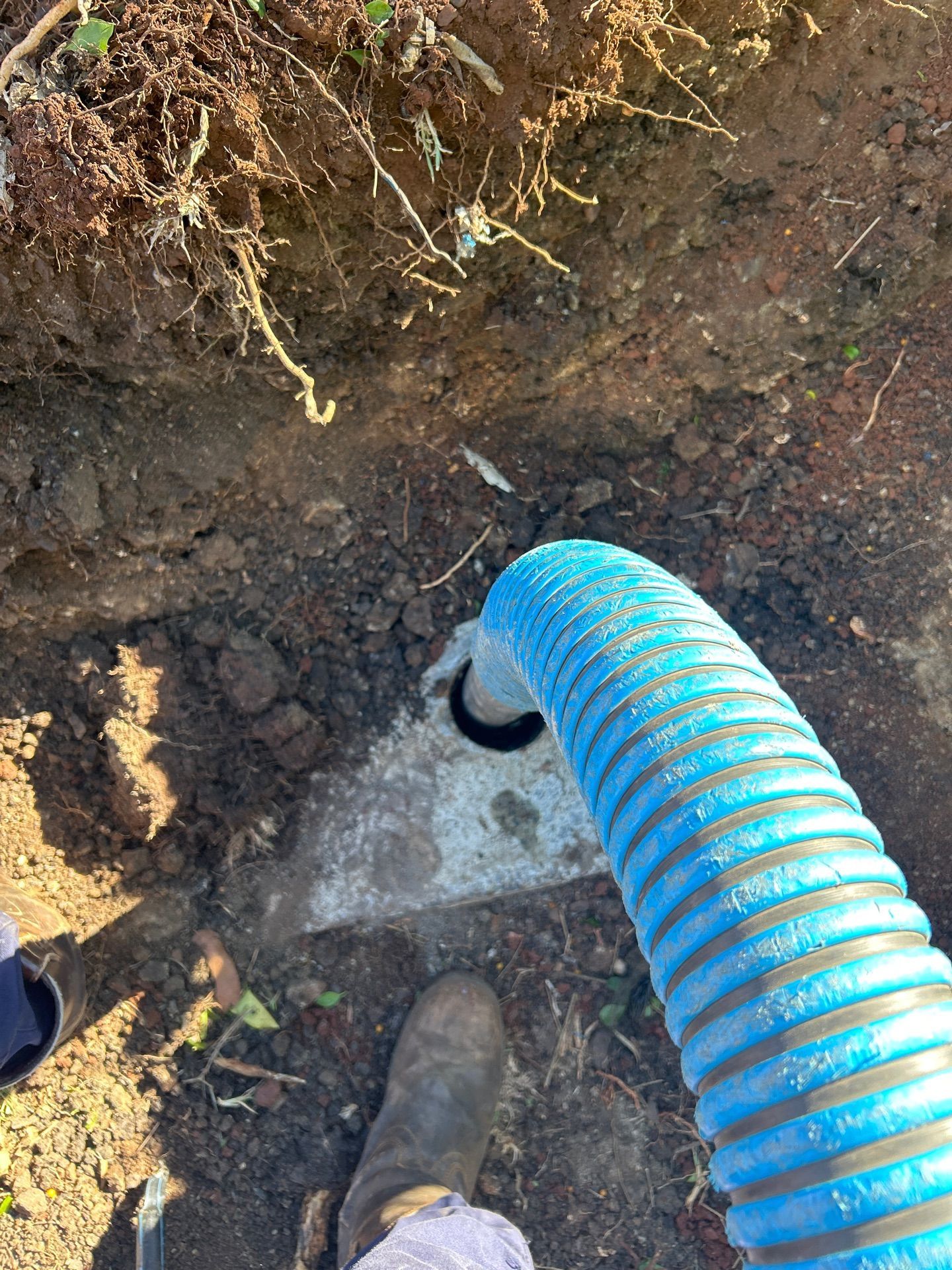
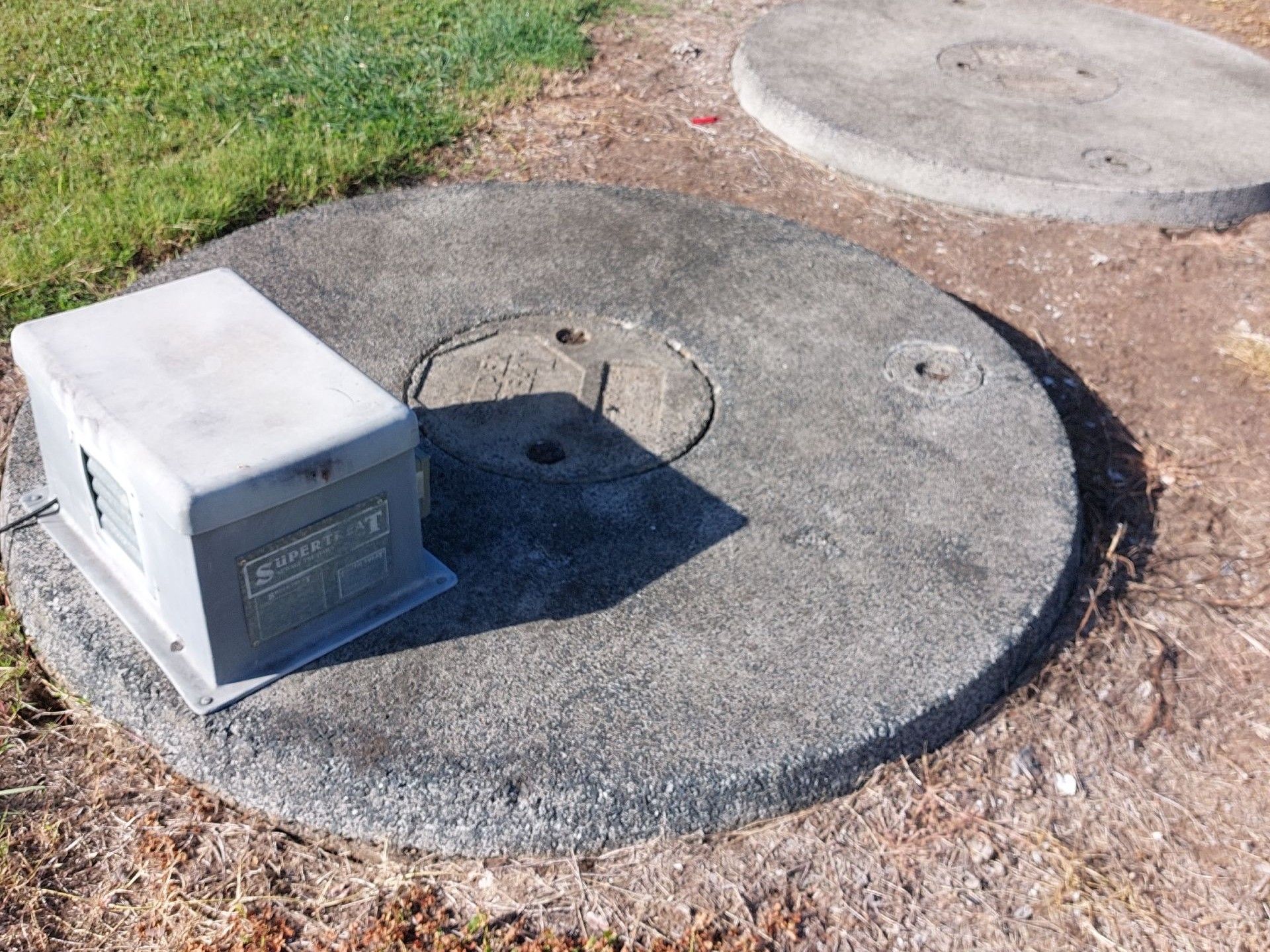
A basic understanding of how a septic system operates can make maintenance planning more practical. Wastewater from the home flows into the tank, where solids settle and liquids move through to the drainage area. Over time, solids accumulate and need to be removed through cleaning.
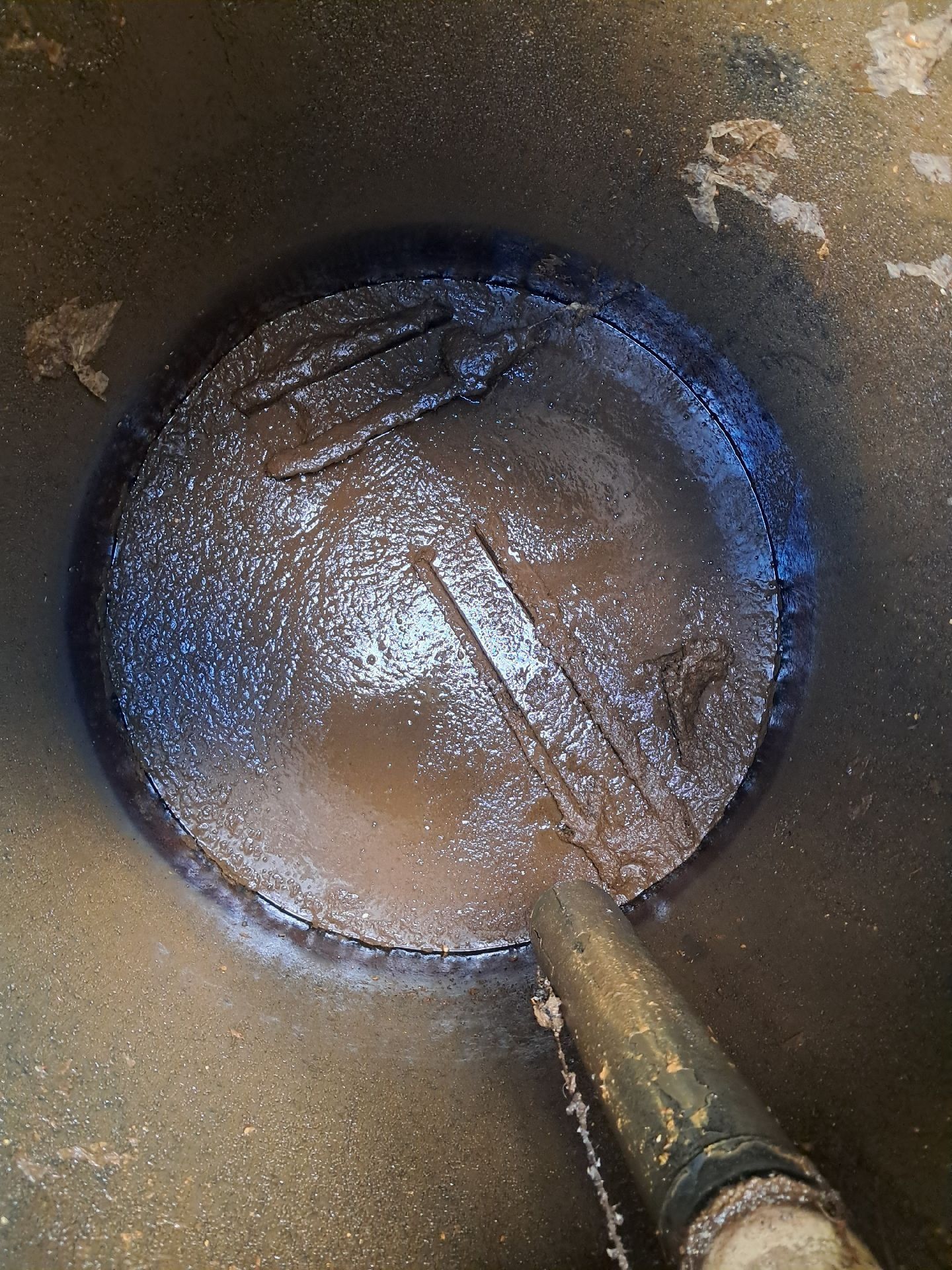
Knowing this process helps explain why regular attention is needed. As solids build up, the system has less capacity to separate waste effectively. This does not always result in immediate issues, but it can influence how the system performs over time.
When homeowners understand these fundamentals, it becomes easier to see how scheduled maintenance fits into the overall operation of the system.
How often should you schedule septic tank cleaning and inspections?
Maintenance frequency can vary depending on factors such as household size, water usage and the type of system in place. While there is no single timeline that suits every property, general guidance can help establish a starting point.
Typical scheduling considerations include:
- Septic tank inspections every 1–3 years
- Septic cleaning or pumping based on tank capacity and usage
- More frequent checks for larger households or higher water use
- Adjustments based on previous inspection findings
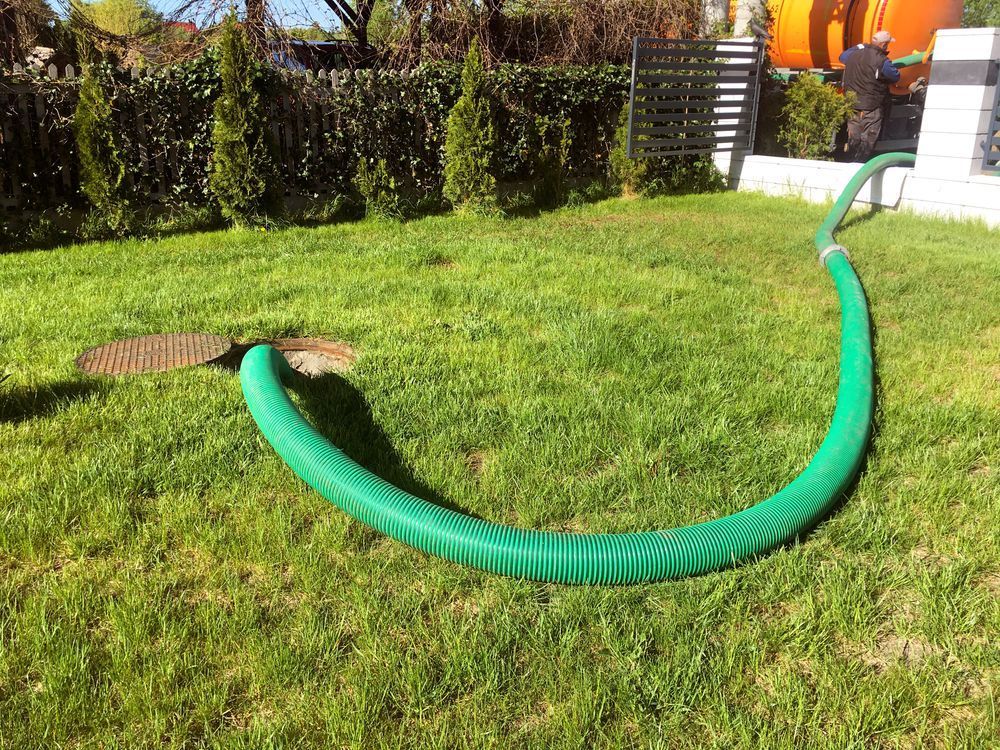
For properties in regional areas, arranging septic cleaning in Toowoomba as part of a regular schedule can help keep systems operating as expected. A consistent routine makes it easier to plan ahead rather than waiting until cleaning becomes urgent.
Daily habits that quietly impact your septic system’s performance over time
Everyday household habits can influence how a septic system performs. Water usage, waste disposal and cleaning routines all contribute to the overall load placed on the system.
Excessive water use can reduce the time waste spends in the tank, affecting how solids settle. Similarly, disposing of inappropriate materials can introduce substances that do not break down easily. These habits may not cause immediate problems, but over time they can influence how efficiently the system operates.
Being mindful of daily use allows homeowners to support their maintenance schedule and reduce unnecessary strain on the system.
Seasonal checks that help prevent unexpected septic system issues
Seasonal changes can affect how a septic system behaves, particularly in outdoor areas where drainage conditions may vary. Including seasonal checks in a maintenance schedule can help identify changes before they develop further.
Helpful seasonal actions include:
- Observing drainage areas after heavy rainfall
- Checking for changes in ground conditions around the system
- Monitoring how quickly wastewater drains within the home
- Noting any unusual odours near outdoor components
These checks do not require specialised tools but can provide useful insight into how the system is performing at different times of the year.
Recognising early warning signs that your septic system needs attention
While a maintenance schedule focuses on prevention, it is still important to recognise signs that may indicate a change in system performance. These signs can vary, but they often relate to how wastewater moves through the home.
Slow drainage, changes in odour or differences in how fixtures behave may suggest that the system requires attention. These observations do not always indicate a major issue, but they can signal that it is time to review the maintenance schedule or arrange an inspection.
Noticing these changes early allows homeowners to respond in a timely way rather than waiting for more noticeable disruption.
Working with a septic service provider to stay on track with maintenance
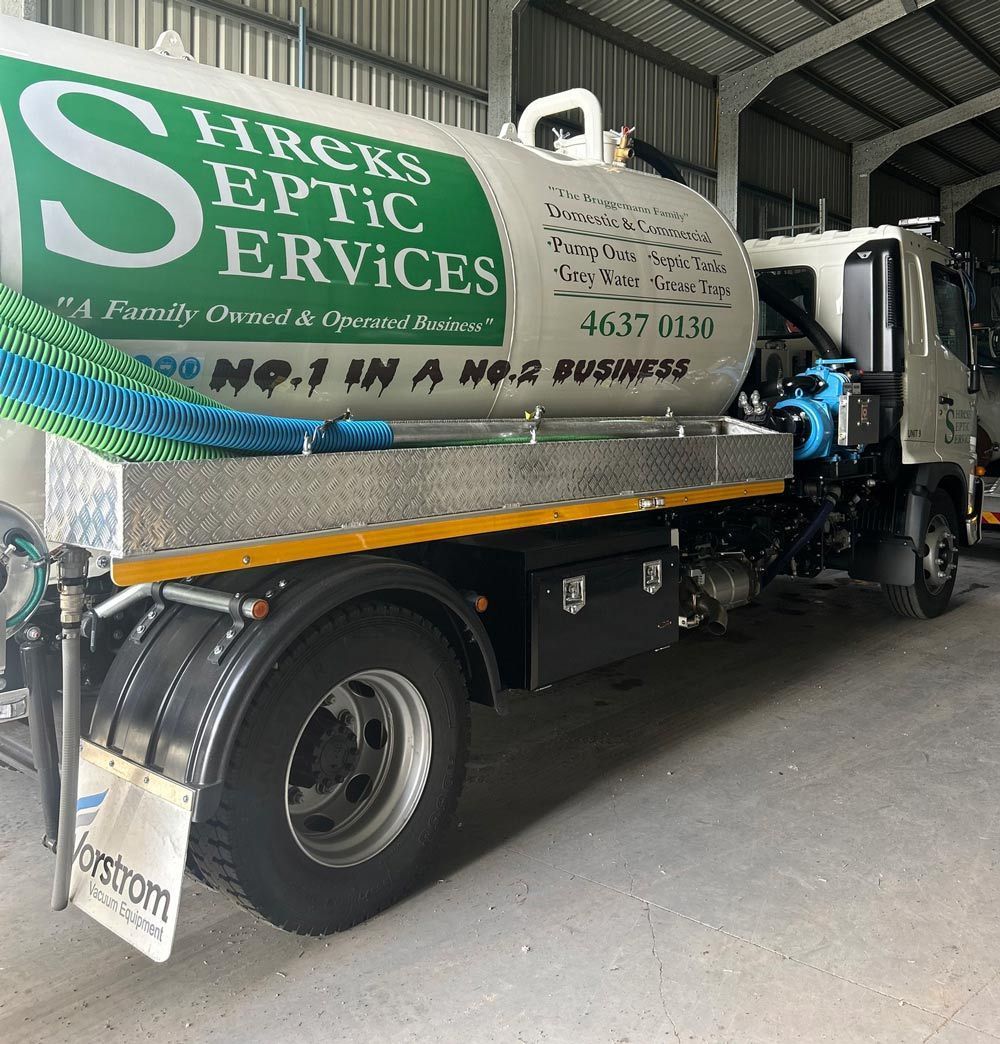
Managing a septic system over time often involves working with a service provider who can assist with inspections and cleaning. This support can help ensure maintenance tasks are carried out at appropriate intervals.
A septic service provider can assist with:
- Scheduling routine inspections
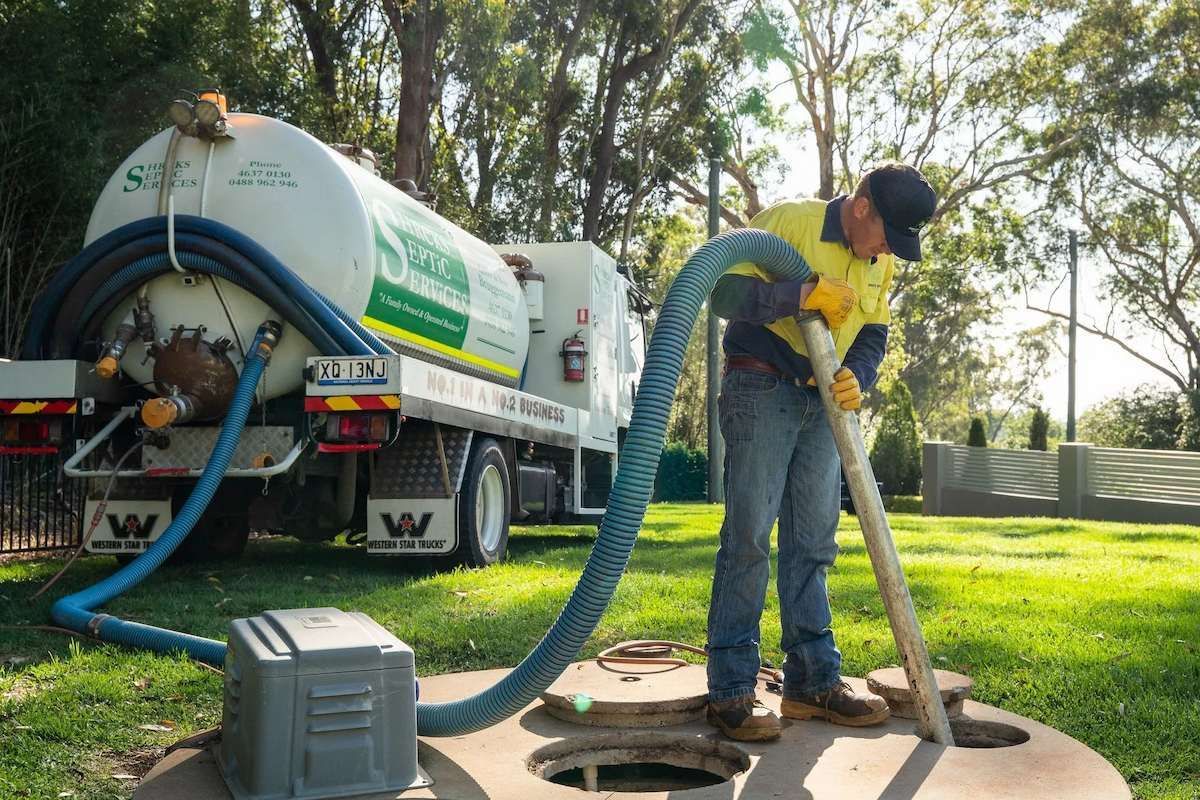
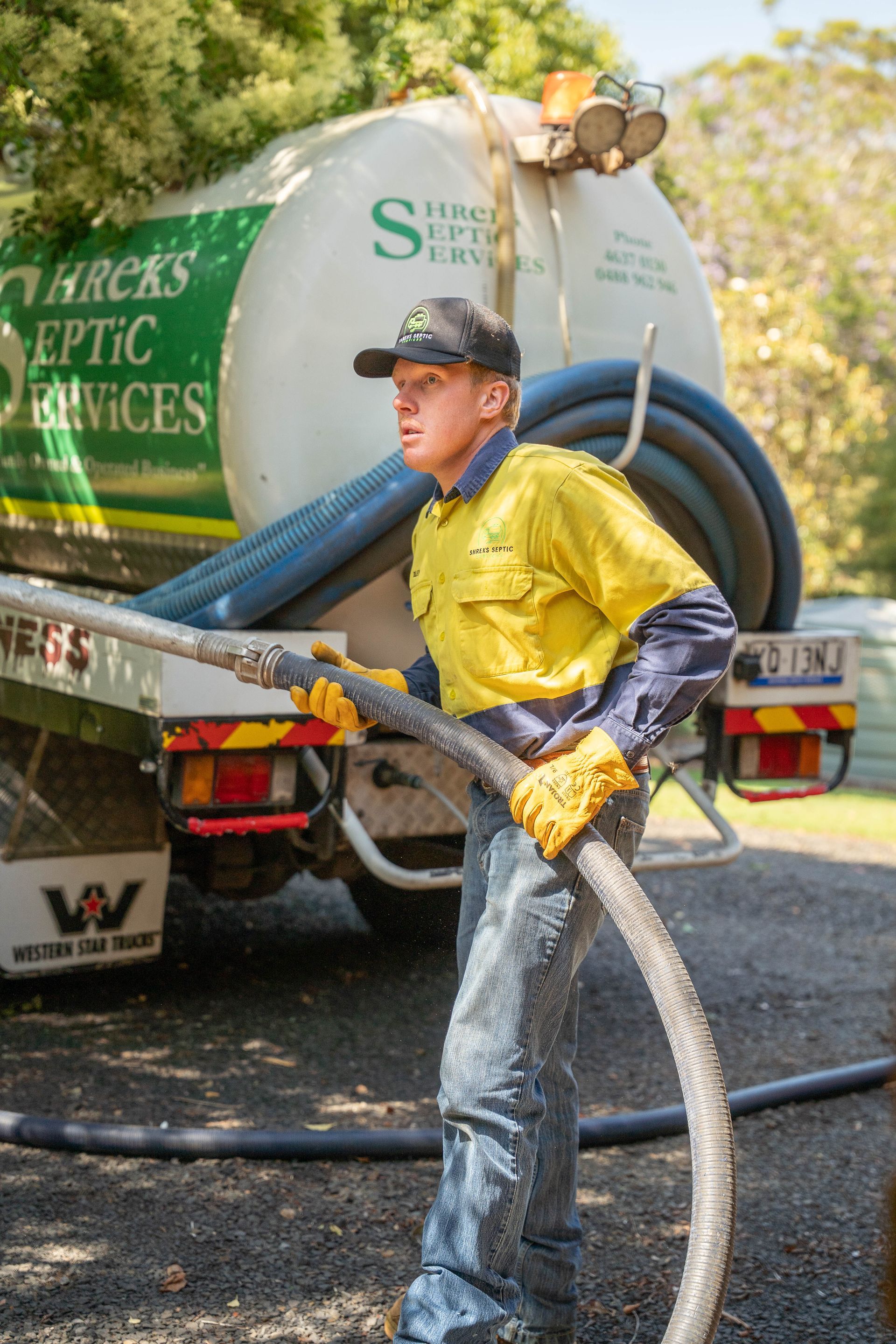
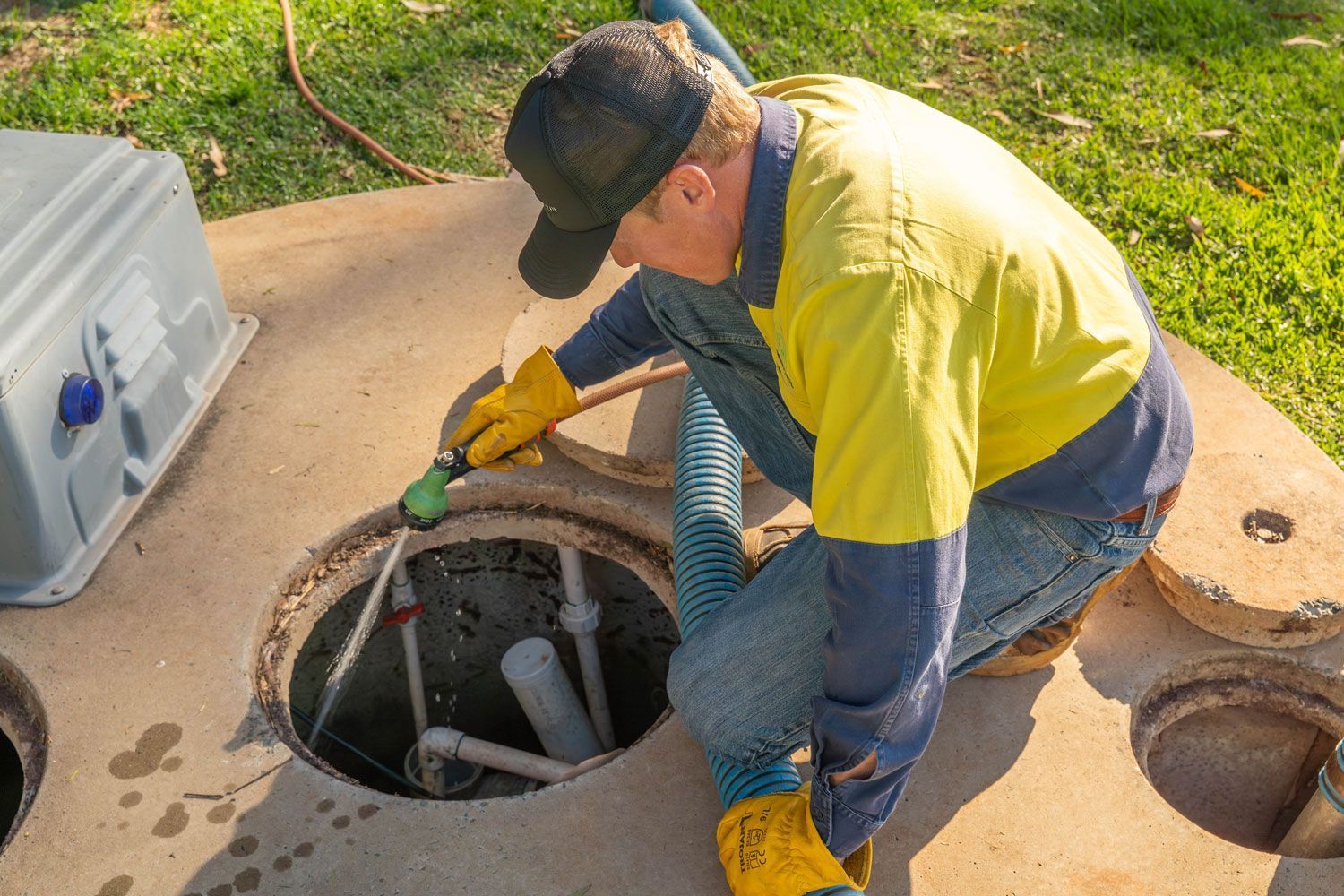
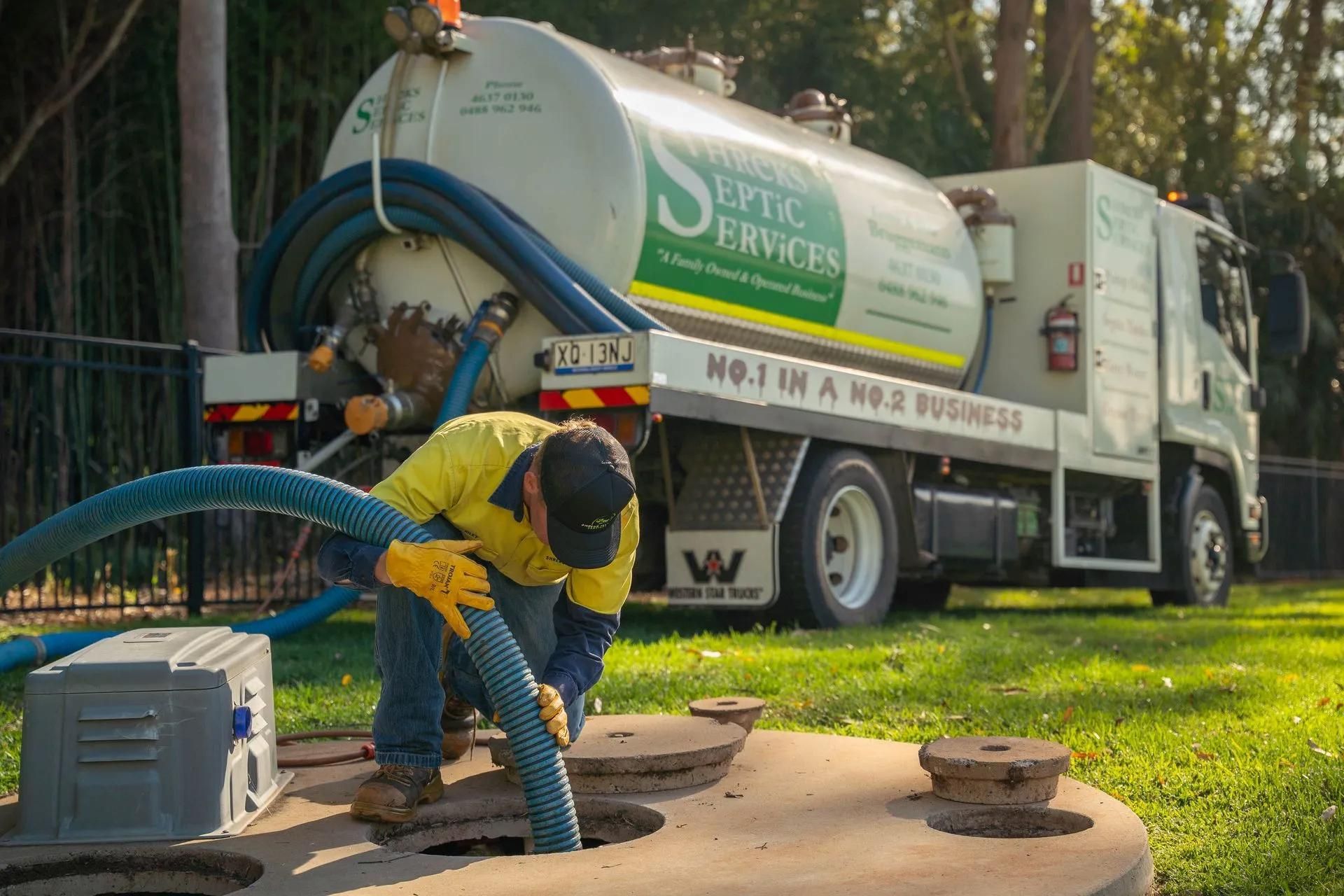
- Carrying out septic tank cleaning when required
- Providing guidance based on system condition
- Keeping records of previous maintenance
Having a consistent provider can make it easier to maintain a reliable schedule and track the system’s history over time.
Building a simple, realistic septic maintenance schedule for your household
Creating a maintenance schedule does not need to be complicated. The goal is to develop a routine that fits your household and can be followed consistently.
This may involve setting reminders for inspections, noting previous service dates and planning ahead for cleaning. Over time, this schedule can be adjusted based on how the system performs and any recommendations provided during servicing.
By keeping the schedule practical and manageable, homeowners are more likely to stay consistent with maintenance. This supports long-term system care without adding unnecessary complexity.
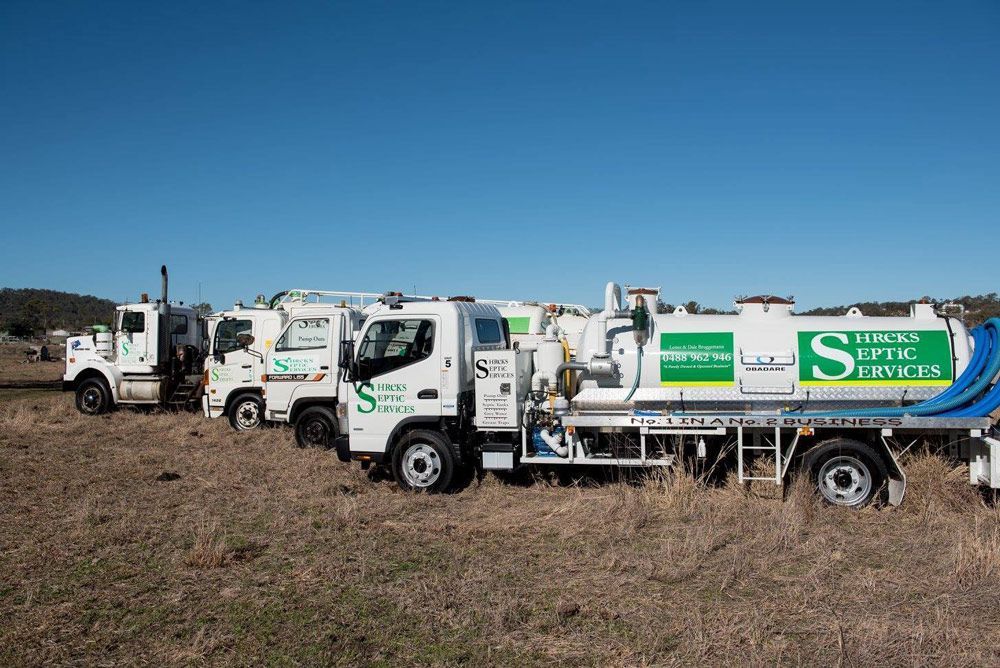
We at Shreks Septic Services understand that managing a septic system in areas like Toowoomba often involves unique conditions, from soil types to varying weather patterns that can influence how systems perform. For homeowners, rural properties and investment homes, having a clear maintenance plan can make ongoing care more manageable.
If you are looking to organise septic tank cleaning in Toowoomba or need guidance on building a maintenance schedule, we are here to assist. Get in touch to arrange septic cleaning in Toowoomba and keep your system running in a way that suits your property and routine.