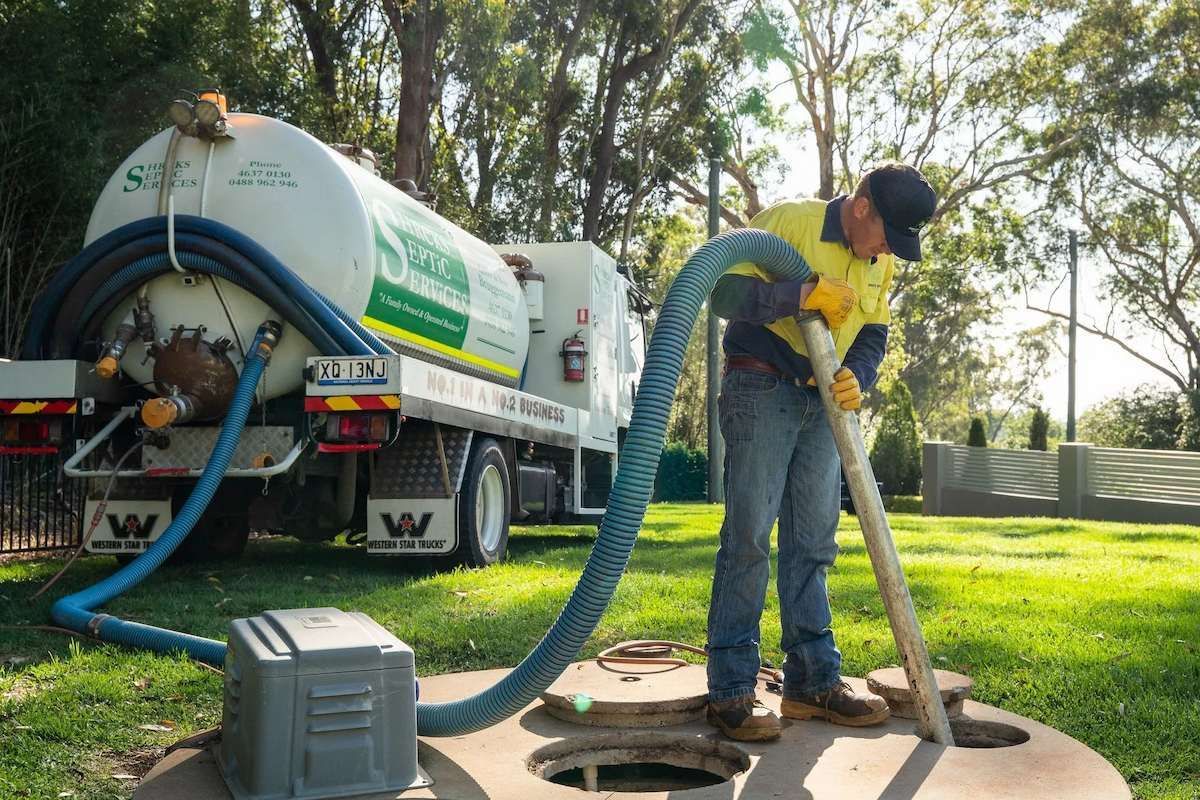
The Essential Components Of A Septic System Explained


By Shreks Septic Services July 30, 2026

A septic system relies on four core parts working together: the inlet pipe, the septic tank, the distribution box and the drainfield. Each stage plays a specific role in breaking down and treating household wastewater before it re-enters the soil. Understanding how these components function and what can go wrong with each one is the first step towards protecting your property from costly failures.


For homeowners without access to municipal sewer lines, a septic system is doing quiet, constant work every day. Most people never think about it until something goes wrong and by then, the fix is usually more expensive than it needed to be. This guide walks through each component in plain terms, so you know exactly what's happening beneath your yard.

What Does the Inlet Pipe Do?

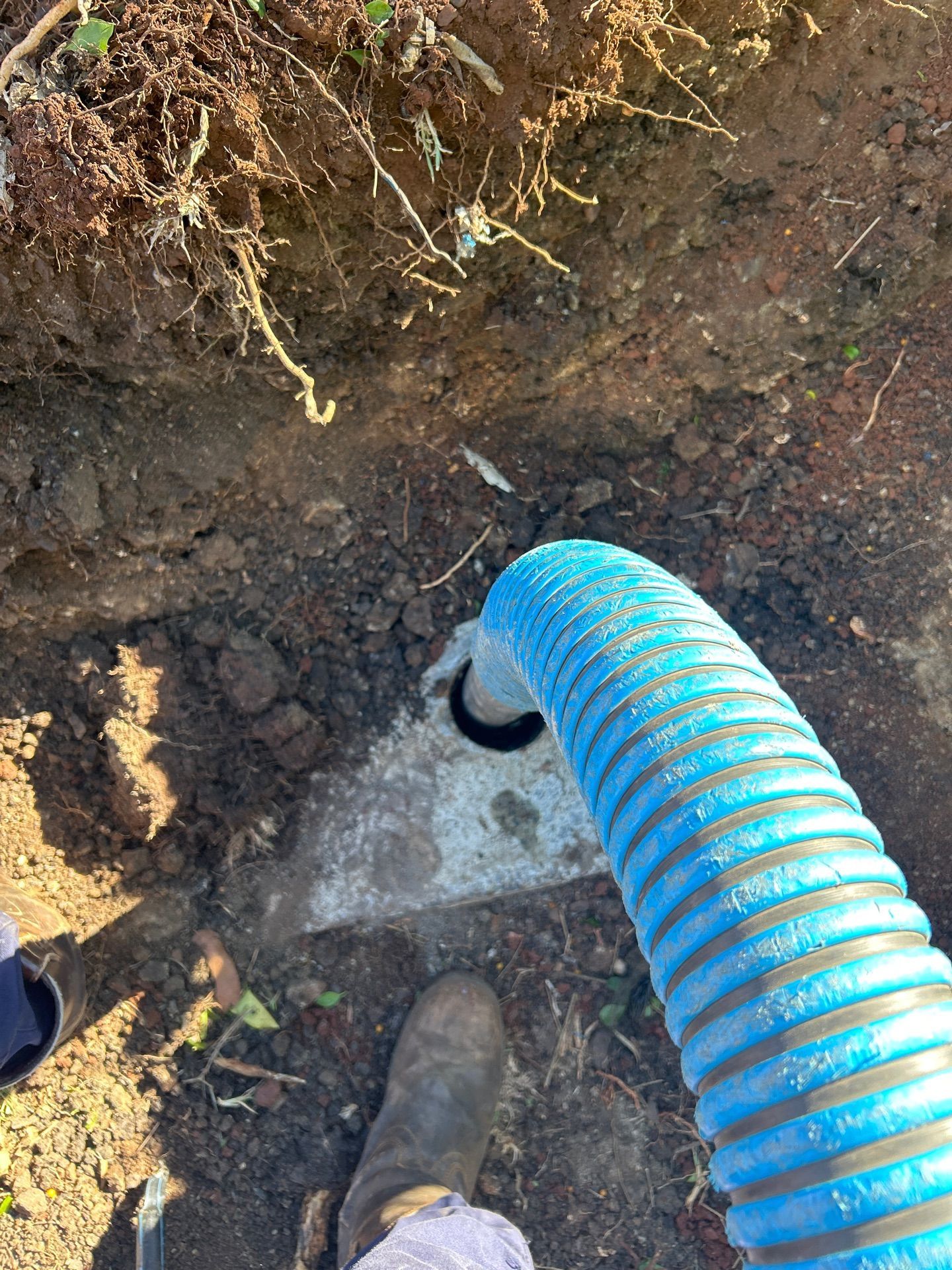
The inlet pipe is the connection point between your home's plumbing and the septic tank. Every sink, toilet, shower and washing machine drain feeds into this single pipe, which carries wastewater out of the house and into the tank for treatment.


A T-shaped or baffled fitting at the tank end prevents solids from entering the pipe at the wrong angle and slows the flow so it doesn't disturb the layers already settled inside the tank. Tree root intrusion is one of the most common issues here, particularly on older properties where pipes have been in the ground for decades. If you notice slow-draining fixtures throughout the house rather than just one, a blocked or collapsed inlet pipe is often the cause.

How Does the Septic Tank Itself Work?

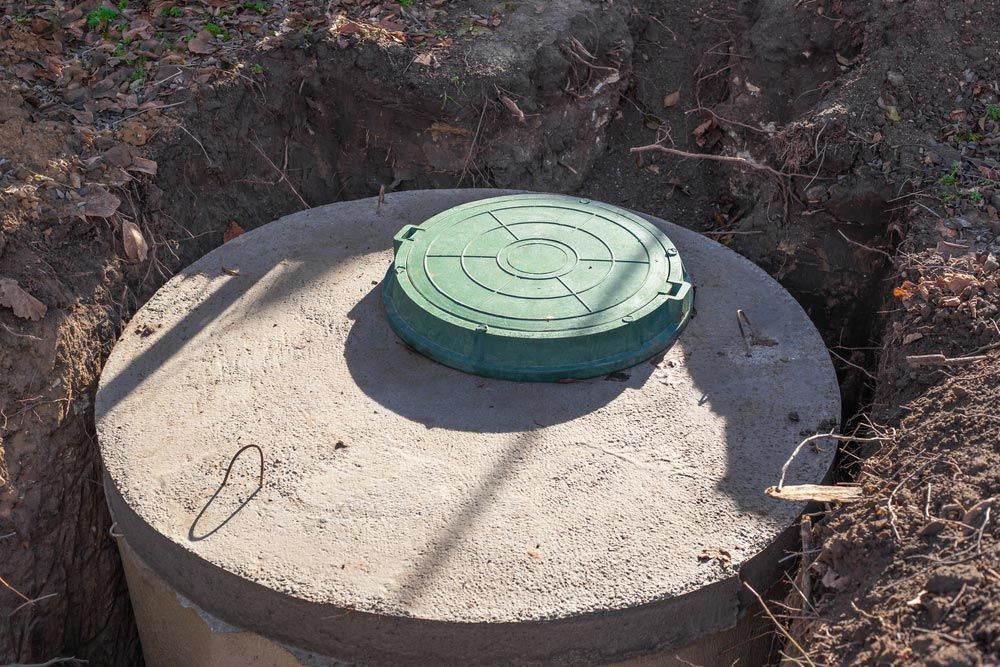
The septic tank is a buried, watertight container, typically concrete, fibreglass or polyethylene, where the real treatment process begins. Wastewater sits inside long enough for solids to separate into three distinct layers: heavy solids sink to the bottom as sludge, oils and lighter waste float to the top as scum and relatively clear effluent sits in the middle.


Naturally occurring bacteria inside the tank break down organic solids over time, reducing sludge volume. This is a slow, biological process and it only works properly when the tank isn't overloaded with waste it can't process, such as excessive fats, wipes or harsh chemicals.


For example: A four-bedroom household in the Darling Downs region might generate enough sludge to require pumping every three years, while a smaller two-person household on the same size tank could stretch that out closer to five. Usage, not just tank size, drives the maintenance schedule.


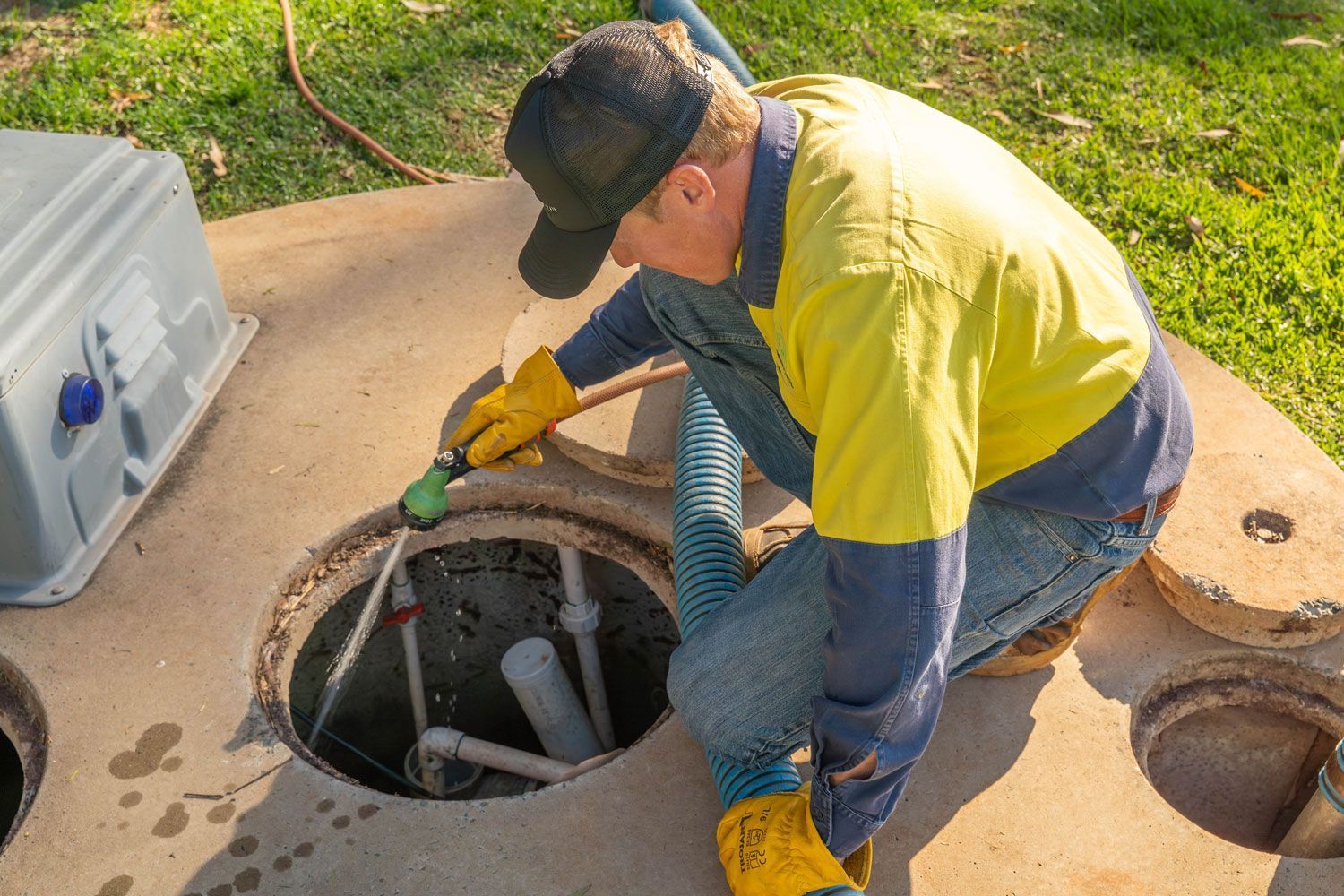
Because solids continue to accumulate even with a well-functioning system, this is where septic tank cleaning Toowoomba properties rely on becomes essential. Left unaddressed, sludge and scum levels rise until they reach the outlet, allowing solids to escape into the drainfield where they cause blockages that are far more expensive to repair than a routine pump-out.

What Is the Distribution Box & Why Does It Matter?

Once effluent leaves the tank, it flows into a distribution box (sometimes called a "D-box"). This component's job is simple but critical: it evenly splits wastewater flow across the multiple pipes that feed the drainfield.


Without an even split, one section of the drainfield ends up overloaded while others sit underused. Over years, this uneven loading accelerates soil saturation in the overworked section and shortens the lifespan of the entire system. A level, well-maintained distribution box is one of the most overlooked factors in septic longevity, largely because it's rarely inspected unless a problem has already surfaced.

How Does the Drainfield Treat Wastewater?

The drainfield, also called the leach field, is a network of perforated pipes laid in gravel-filled trenches beneath the yard. As effluent trickles out of these pipes, it filters slowly through gravel and soil, where naturally occurring microorganisms remove remaining pathogens and nutrients before the water rejoins the groundwater table.


This is the final and arguably most important treatment stage and it's also the most expensive to repair or replace. Soil type matters enormously here: heavy clay soils common in parts of the Darling Downs drain more slowly than sandy loam, which is why drainfield sizing is calculated against local soil conditions rather than a one-size-fits-all standard.


Warning signs of drainfield trouble include soggy or unusually green patches of lawn above the trench lines, sewage odours outdoors and slow drains throughout the house even after a tank pump-out. Once a drainfield fails, the usual fix is a full replacement rather than a repair, which makes prevention through regular tank maintenance the far cheaper path.

Why Regular Maintenance Protects Every Component

Each part of a septic system depends on the others functioning correctly. A neglected tank sends solids downstream to the distribution box and drainfield, a blocked distribution box overloads one section of the drainfield, a failing drainfield backs pressure all the way up to the inlet pipe. Regular inspection and pump-outs are the single most effective way to protect the whole system rather than treating each part in isolation.


Industry best practice recommends professional inspection every one to three years, with pump-outs generally required every three to five years depending on household size and usage. If you've searched septic near me because of slow drains, odours or a system that hasn't been checked in years, that's usually the tank reaching capacity rather than a drainfield issue, though only an inspection can confirm which component needs attention.

Tips for DIY Homeowners & New Property Buyers

  • Know your tank's location & size before you need it in an emergency
  • Avoid flushing wipes, fats & harsh chemicals, which disrupt the bacterial balance the tank depends on
  • Keep vehicles & heavy equipment off the drainfield area, since soil compaction reduces its ability to filter effluent
  • Request septic records during property purchase, including the last pump-out date & any prior repairs, so you're not inheriting a system near the end of its life
  • Watch for early warning signs, such as slow drains, gurgling pipes or damp patches in the yard rather than waiting for a full backup.


If your system is overdue for an inspection or you're noticing any of the warning signs above, Shrek's Septic Services can assess every component of your system and recommend the right course of action, from routine septic cleaning Toowoomba homeowners rely on to full drainfield diagnostics. Reach out to us today!

Frequently Asked Questions

  • How often should a septic tank be pumped out?

    Most residential tanks need pumping every three to five years, though this varies with household size, tank capacity and daily water usage. A professional inspection can confirm the right interval for your specific property.

  • What's the difference between septic tank cleaning and pumping?

    Pumping removes liquid and settled solids from the tank, while cleaning typically includes a more thorough process of breaking up and removing sludge and scum from the tank walls and baffles. Many providers combine both in a single service visit.

  • Can tree roots really damage a septic system?

    Yes. Roots are drawn to the moisture and nutrients in septic pipes and tanks, and they can crack pipes, block the inlet and infiltrate drainfield trenches over time. Regular inspection helps catch root intrusion before it causes a full blockage.

  • Why does my yard smell near the septic tank or drainfield?

    Odours usually indicate a system that's overdue for pumping, a cracked lid or riser or a drainfield that's beginning to fail. It's worth having the system checked promptly, since odours rarely resolve on their own.

  • Is it normal for the ground above the drainfield to be soggy?

    Occasional dampness after heavy rain can be normal, but persistent soggy patches, especially combined with unusually green grass, often point to effluent surfacing rather than draining properly through the soil.

  • Do I need council approval to repair or replace septic components?

    In most Queensland council areas, septic system repairs and replacements require approval and must meet EPA and local health regulations. A licensed provider familiar with Toowoomba requirements can guide you through the right approvals.

Need a Reliable Team For Septic Servicing?

SHARE THIS

Latest Posts

By Scott O'Donnell June 10, 2026
This is a subtitle for your new post
A Sewer Manhole With Tools — Shreks Septic Services in Gowrie Junction, QLD
By Shreks Septic Services April 23, 2026
Create a simple septic maintenance schedule to prevent issues and extend system life. Book reliable septic cleaning in Toowoomba today.
Green Garden Hose Stretched — Shreks Septic Services in Gowrie Junction, QLD
By Shreks Septic Services April 15, 2026
You don’t think about your septic system much. Most people don’t. It sits underground, doing its job quietly. No noise, no moving parts you can see.
A Round Manhole Cover Near Grass — Shreks Septic Services in Gowrie Junction, QLD
By Shreks Septic Services February 19, 2026
Know the warning signs early with septic tank cleaning in Toowoomba, septic cleaning to prevent costly damage and health risks. Learn more today.
Several White Utility Trucks — Shreks Septic Services in Gowrie Junction, QLD
By Septic Cleaning Checklist: What Homeowners Should Check Before Service January 8, 2026
Use this septic cleaning checklist to learn what Toowoomba homeowners should check before service and how simple preparation supports efficient, reliable septic cleaning.
Septic Tank Being Cleaned — Shreks Septic Services in Gowrie Junction, QLD
By Shreks Septic Services December 15, 2025
Learn health risks of neglected systems and why septic tank cleaning in Toowoomba protects health and property. Book professional service now.
Green Truck Tanker — Shreks Septic Services in Gowrie Junction, QLD
By Shreks Septic Services December 9, 2025
Learn how septic tank cleaning protects your system in Toowoomba and prevent costly repairs. Get expert tips and book your service today.
Green Corrugated Hose on Pavement — Shreks Septic Services in Gowrie Junction, QLD
By Shreks Septic Services September 19, 2025
Unsure if your septic tank is full? Visit Shreks Septic Services' blog to discover what to look out for! We pump out septic tanks across Toowoomba.
Rusty Metal Container Lid in Dirt — Shreks Septic Services in Gowrie Junction, QLD
By Shreks Septic Services August 22, 2025
Prevent costly plumbing issues by keeping grease traps clean and functional. Act now—book a service to safeguard your system.
Black Utility Basin With Standing Water — Shreks Septic Services in Gowrie Junction, QLD
By Shreks Septic Services August 3, 2025
Grease trap cleaning in Toowoomba helps protect waterways and supports sustainability. Learn why regular maintenance matters for your food business—read now!
Show More