Common Household Habits That Harm Your Septic Tank
By Shreks Septic Services • September 7, 2026

Septic tanks are essential for managing wastewater in homes not connected to municipal sewer systems, but a handful of everyday habits can quietly damage a system long before anyone notices a problem. Flushing the wrong things, pouring grease down the drain, overusing harsh chemicals and simply forgetting when the tank was last serviced are among the most common causes of clogs, backups and expensive repairs. Understanding which habits actually cause harm is the first step towards avoiding a costly call-out for septic tank cleaning in Toowoomba.
Flushing the Wrong Things Down the Toilet
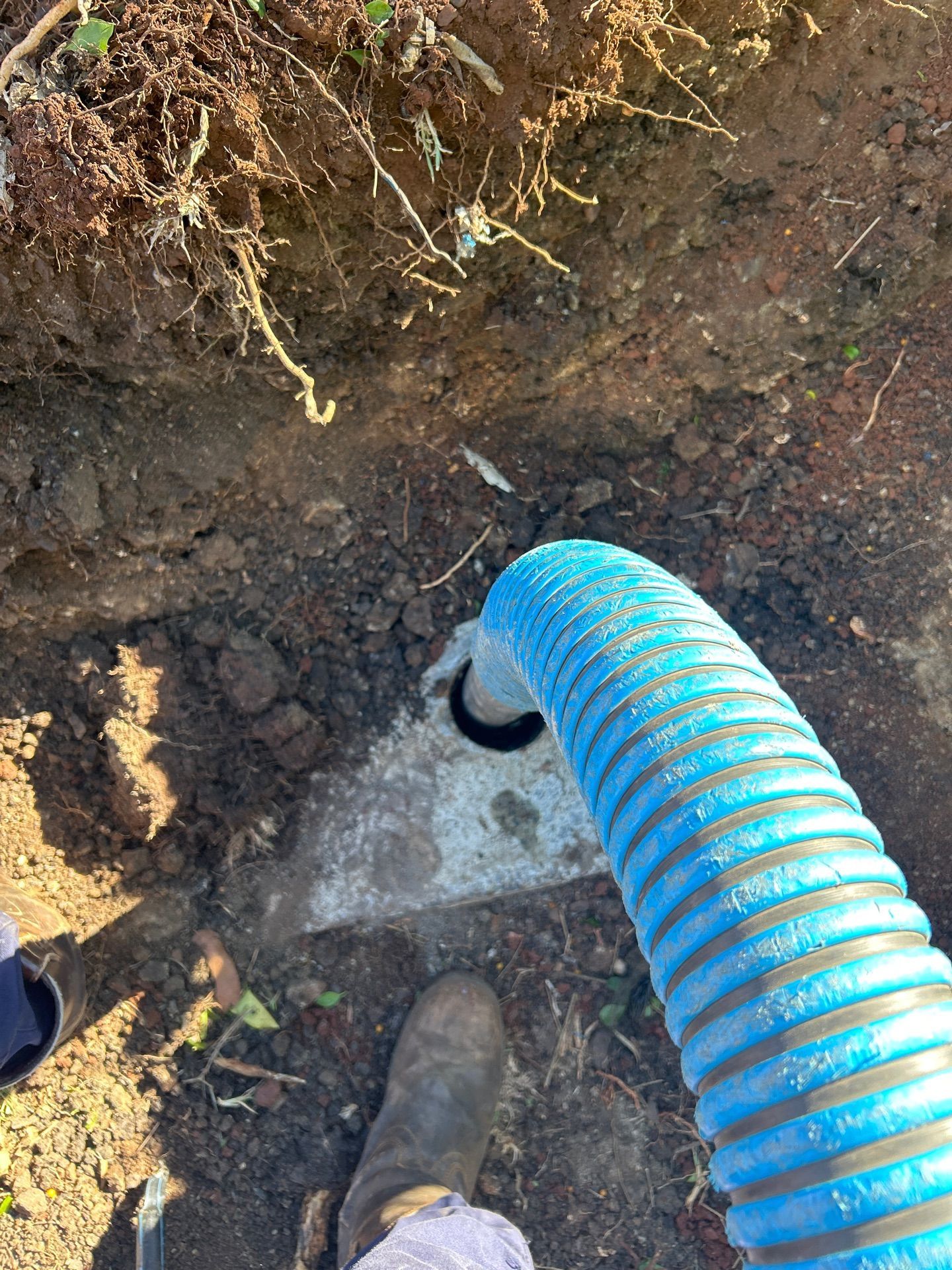
A septic system is only designed to handle human waste and toilet paper, yet many households routinely flush wipes, sanitary products, cotton buds and even cat litter without realising the damage it causes. These items don't break down the way toilet paper does, so they build up inside the tank and can block pipes long before the tank itself is full.
Wipes marketed as "flushable" are a particularly common culprit, since they resist breaking down in the same way genuine toilet paper does and often end up tangled around pumps or blocking outlet pipes. The simplest rule is that if it isn't waste or toilet paper, it belongs in the bin rather than the toilet.
Pouring Fats, Oils & Grease Down the Drain
Cooking fats, oils and grease seem harmless when poured down the sink while still liquid, but they solidify once they cool inside the pipes and tank. Over time, this builds up into a thick layer that restricts flow and interferes with the natural breakdown of waste inside the tank.
This habit is especially common in kitchens where pans are rinsed straight after cooking, so the grease goes straight down the drain before it has a chance to cool and be scraped into the bin instead. Letting fats and oils solidify in a container first, then disposing of them in general waste, avoids this problem entirely.
Overusing Harsh Chemical Cleaners & Antibacterial Products
A septic tank relies on a healthy population of bacteria to break down solid waste and anything that kills off that bacteria interferes with the entire system. Harsh drain cleaners, excessive bleach and heavy use of antibacterial soaps and cleaning products all reduce the bacterial activity a septic tank depends on to function properly.
Used occasionally and in reasonable amounts, most household cleaning products won't cause serious harm, but frequent, heavy use over time can noticeably slow down how efficiently a tank processes waste. Choosing septic-safe cleaning products where possible and using stronger chemicals sparingly, helps protect the bacterial balance the system relies on.
Excess Water Use & Overloading the System
Every septic system is designed to handle a certain volume of wastewater per day and consistently exceeding that volume overloads the tank before waste has time to properly separate and break down. Running multiple loads of laundry back-to-back, long showers for several household members in a row or a leaking toilet that runs constantly all add up to more water than the system was designed for.
Spacing out water-heavy tasks like laundry throughout the week, rather than doing it all in one day, gives the tank time to process wastewater properly rather than being pushed beyond its capacity repeatedly.
Driving or Parking Over the Tank & Drain Field
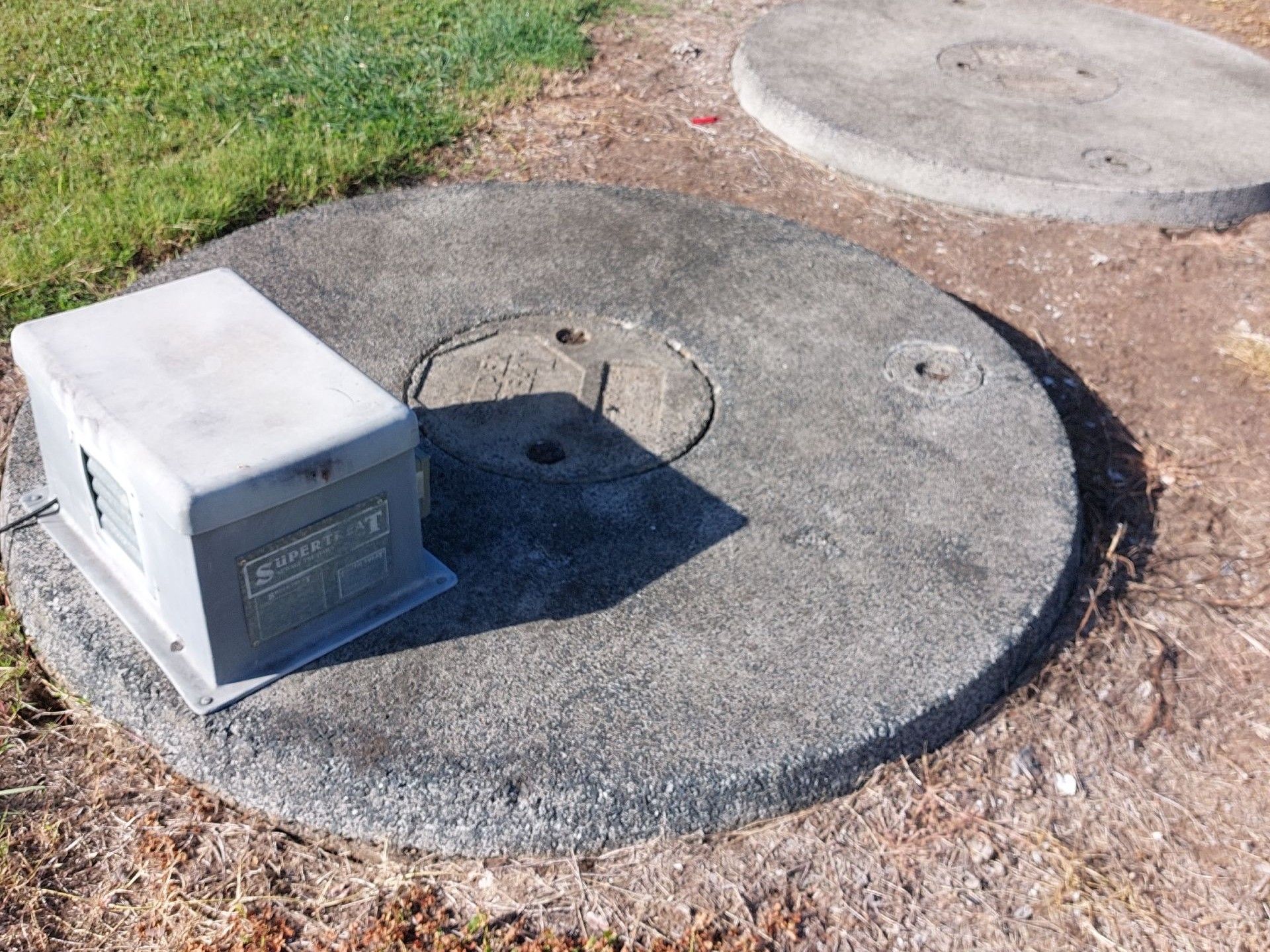
The weight of a vehicle and in some cases even heavy equipment or livestock, can compact the soil above a tank or drain field and damage the pipes underneath. This is a particularly easy mistake to make on rural properties where the exact location of the tank and drain field isn't always obvious or clearly marked.
Compacted soil above a drain field also reduces how effectively the ground can absorb effluent, which can lead to surfacing or slow drainage even when the tank itself is otherwise in good condition. Knowing exactly where your tank and drain field sit and keeping vehicles and heavy equipment clear of that area, protects both the pipework and the soil's ability to do its job.
Ignoring Regular Pump-Outs & Inspections
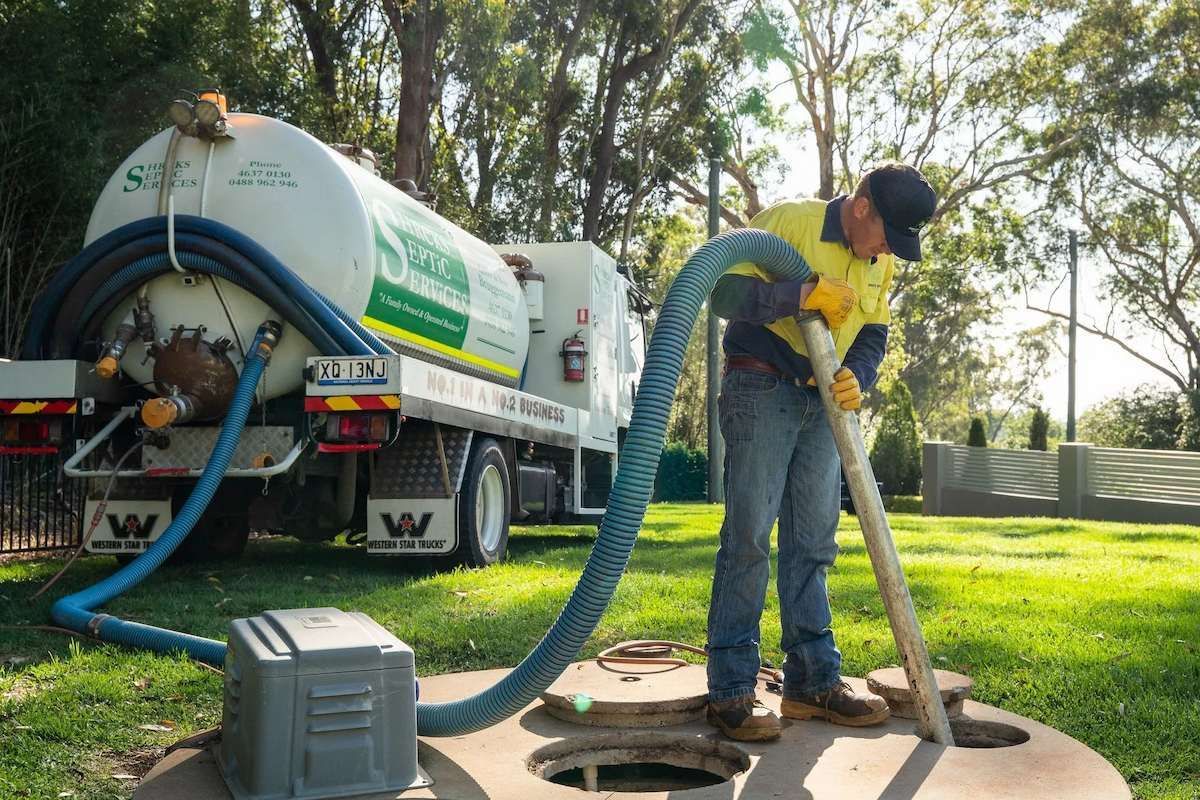
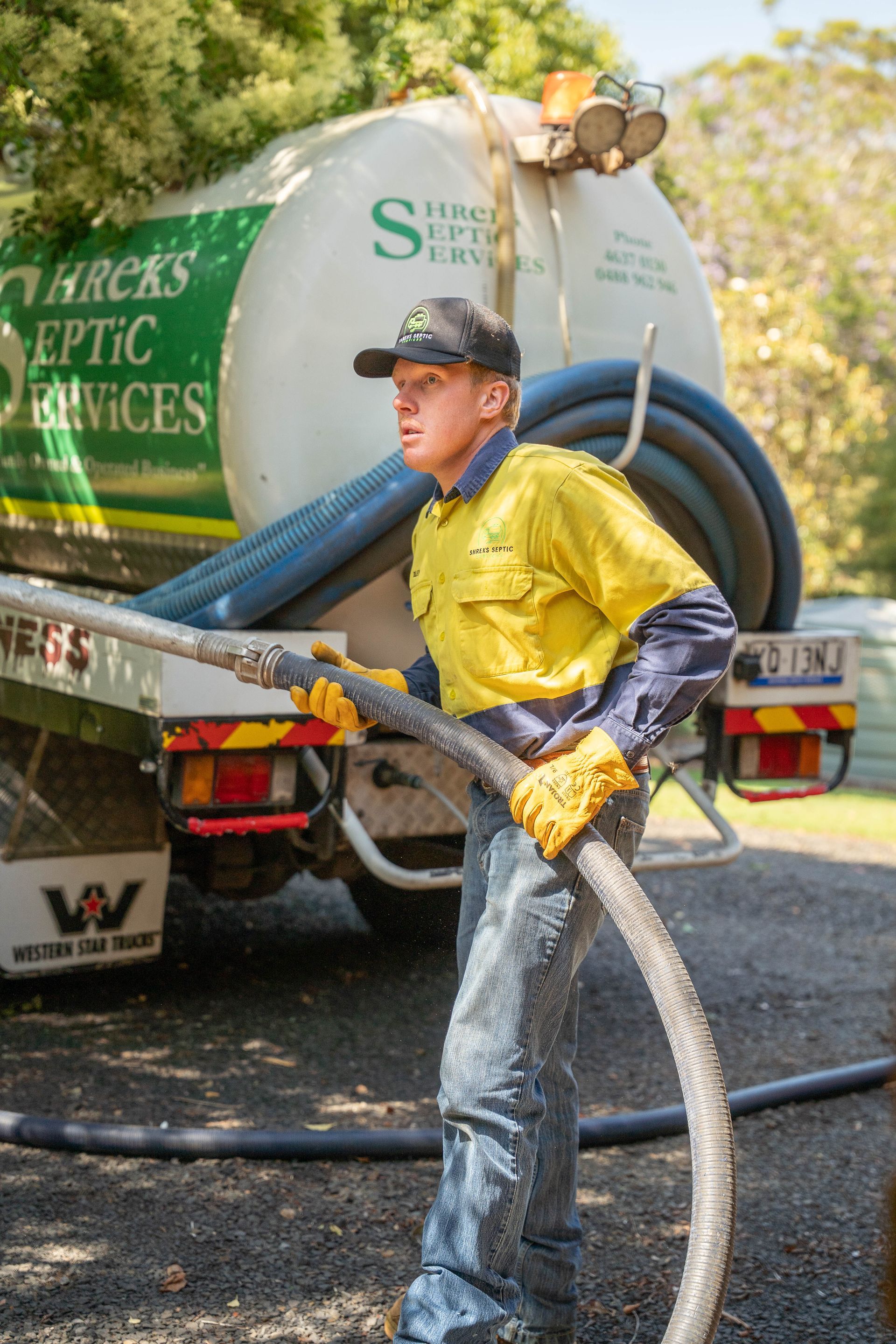
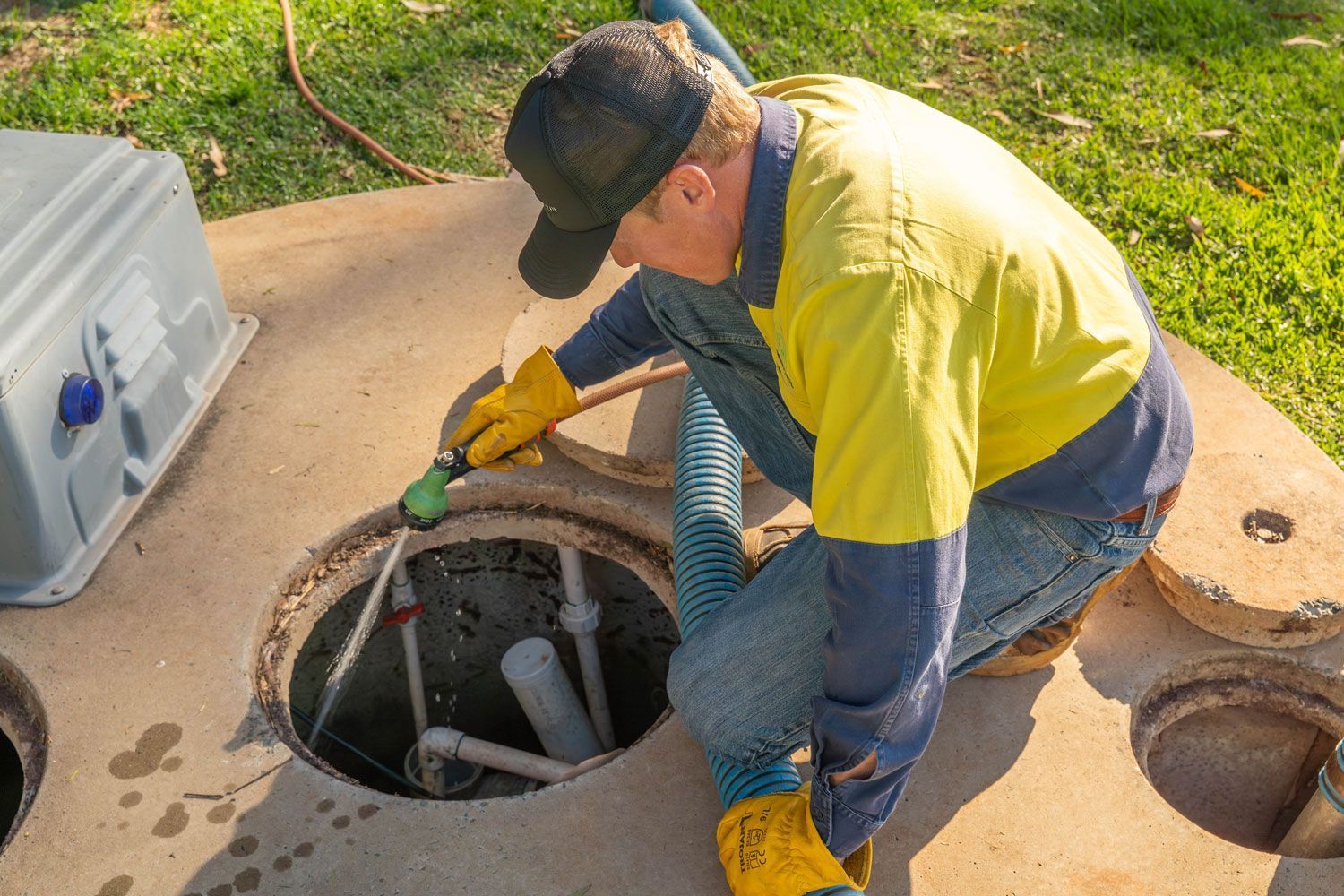
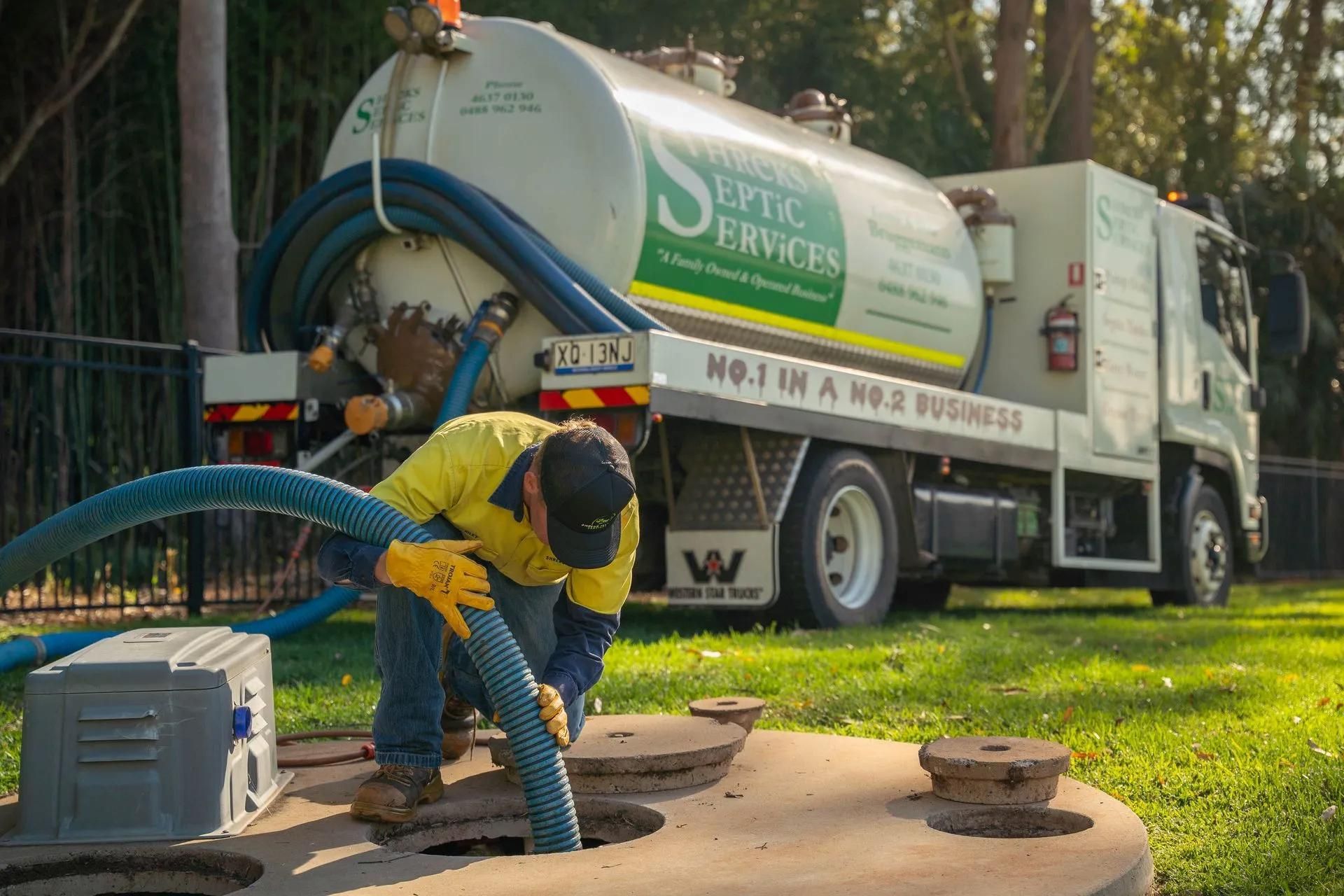
Even a well-maintained septic system needs periodic pumping to remove the solid waste that naturally accumulates in the tank over time. Skipping this maintenance is one of the most common ways otherwise healthy systems end up with a serious backup, since solids that should have been pumped out eventually overflow into the drain field and cause damage that's far more expensive to fix than a routine pump-out.
Regular septic cleaning in Toowoomba on a sensible schedule catches build-up before it becomes a genuine problem, rather than waiting for a backup or bad smell to force the issue. A system serviced on a consistent interval also gives an experienced technician the chance to spot early warning signs before they turn into a costly repair.
Protecting a septic system comes down to a handful of everyday habits and staying on top of regular servicing, rather than waiting for a problem to force the issue. If you're due for
septic tank cleaning Toowoomba property owners have trusted for over 40 years,
get in touch with
Shrek's Septic Services on
(07) 4637 0130 for a free quote.
Frequently Asked Questions
What household items should never be flushed down the toilet?
Wipes, sanitary products, cotton buds, dental floss and cat litter should never be flushed, even if a product is labelled "flushable." These items don't break down the way toilet paper does and commonly cause blockages inside the tank or connecting pipes.
Can chemical cleaners really damage a septic system?
Yes, in large or frequent quantities. Harsh drain cleaners, excessive bleach and heavy antibacterial product use can reduce the bacteria a septic tank needs to break down waste, though occasional, moderate use generally isn't a major concern.
How often should a septic tank be pumped out?
This depends on tank size, household size and water usage, so it varies from property to property. A technician assessing your specific system can recommend a realistic schedule based on how the tank is actually performing.
Is it bad to park a car near a septic tank or drain field?
Yes, the weight of a vehicle can compact the soil and damage pipes beneath a tank or drain field. Knowing exactly where these areas sit on your property helps avoid this kind of accidental damage.
What are the warning signs of a septic tank problem?
Slow-draining sinks, gurgling pipes, unpleasant odours near the tank or drain field and unusually lush or soggy patches of grass over the tank area are common warning signs. If you notice any of these, it's worth arranging an inspection before the problem gets worse.