Your Guide To How Septic Tanks Work

February 19, 2023

If you're a home or property owner in a rural area, it's likely you have a septic system. But have you ever wondered how it works? Understanding how a septic tank works can help you look after your system and avoid costly repairs. So, let's dive in and explore the question on everyone's mind: how does a septic tank work?


What is a Septic Tank?

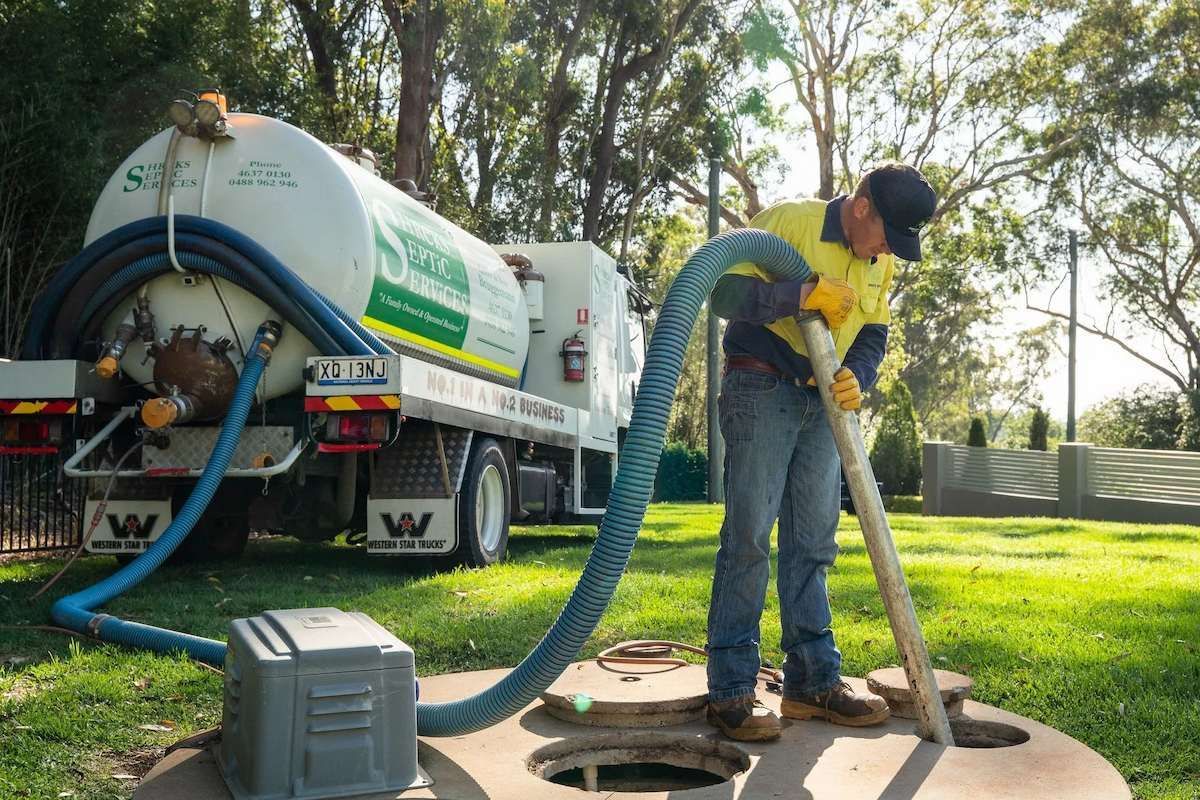
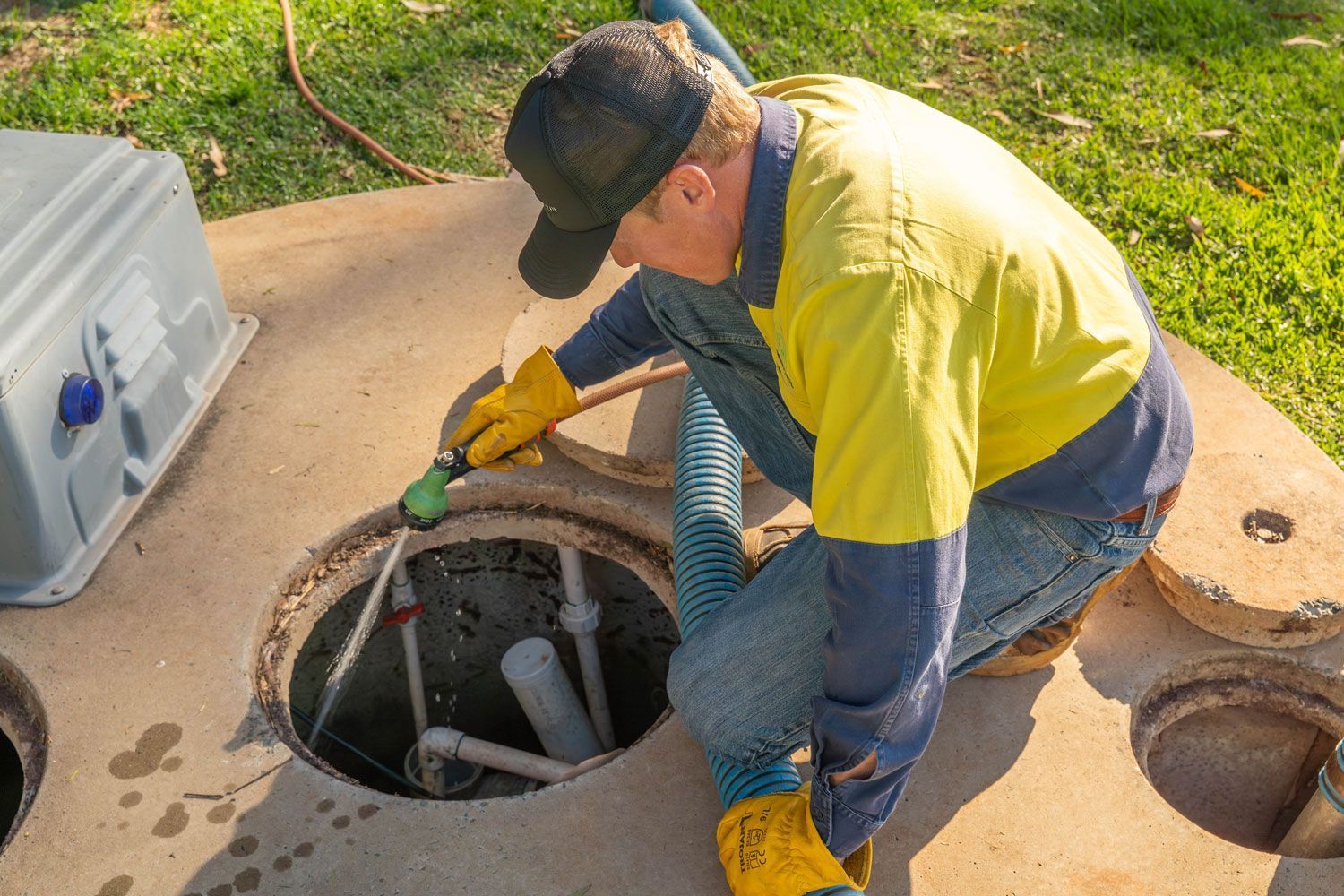
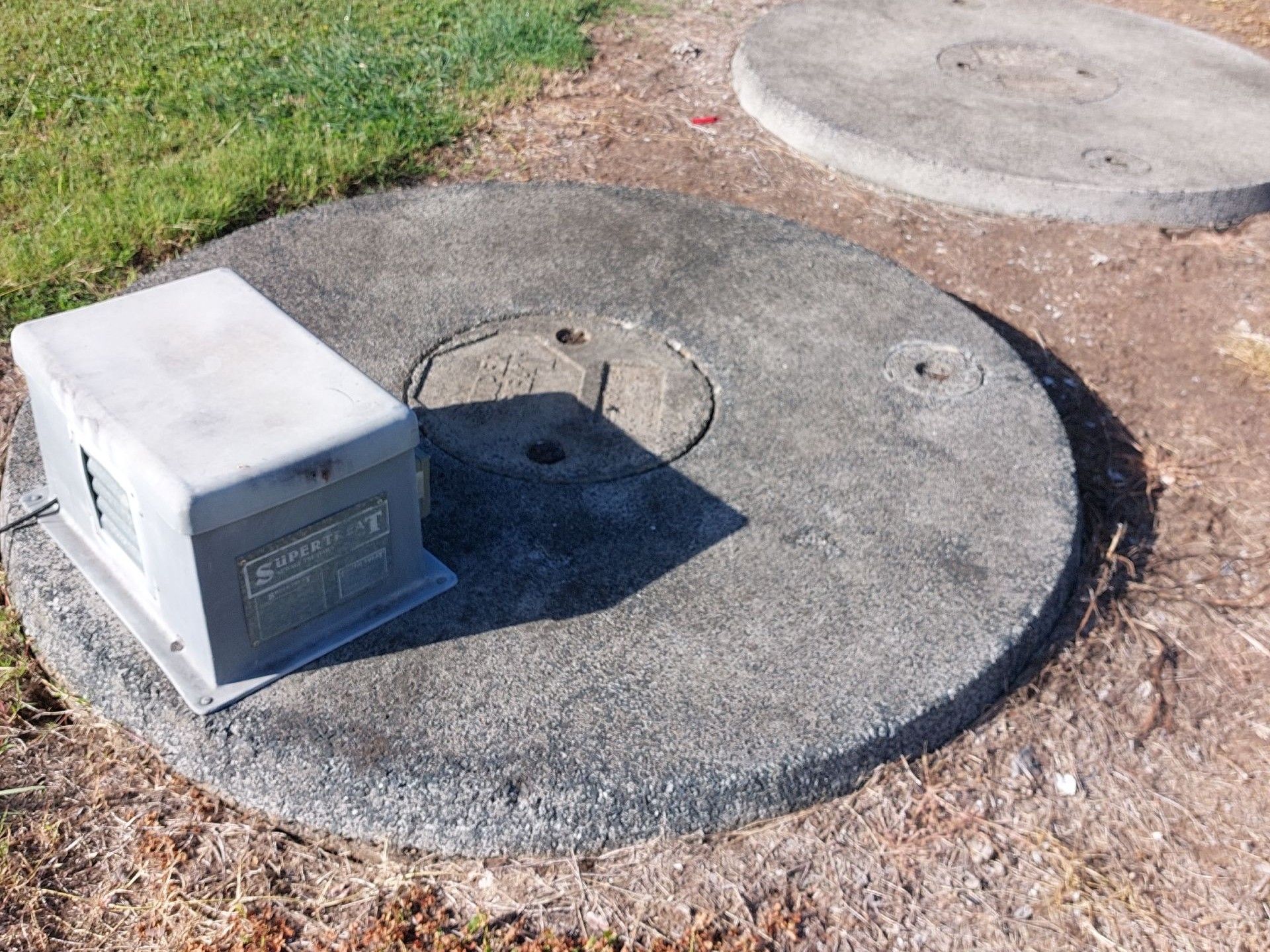
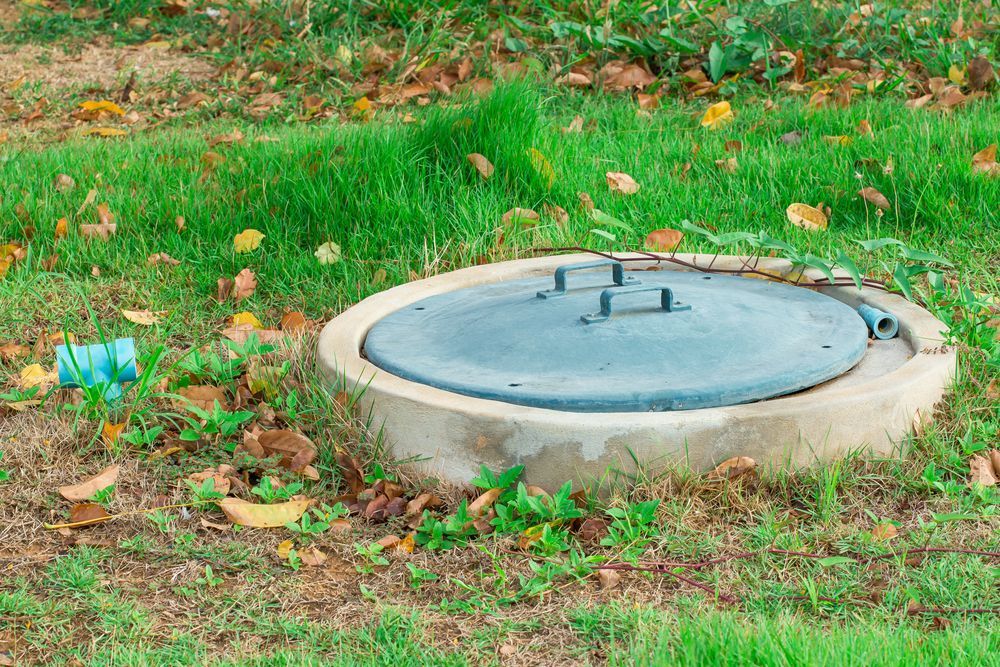
A septic tank is a large, underground container made of concrete, fibreglass, or polyethylene. Wastewater from your home enters the tank via a pipe and is treated by naturally occurring bacteria. The bacteria break down solid waste, grease, and other organic matter. Solids settle at the bottom to form a sludge layer, which should not be disturbed as it contains necessary bacteria. The remaining water, or effluent, exits the tank through a pipe and enters a drain field consisting of perforated pipes buried in gravel. The soil naturally filters any remaining bacteria and pollutants, leaving the water clean.

Signs of a Failing Septic System

If you notice any of the following symptoms, it's time to call a professional:


·     Slow draining sinks and toilets

·     Gurgling sounds in the pipes

·     Foul odours coming from the drain field

·     Lush green patches of grass around the drain field


Ignoring these symptoms can lead to a complete system failure, which is expensive and time-consuming to repair.

Septic System Maintenance

Regular maintenance is key to keeping your septic system working properly. Here are a few things you can do to keep your system in good shape:


·     Have your tank pumped

·     Use water efficiently

·     Don't flush anything besides human waste and toilet paper down the toilet

·     Be careful about what you put down the drain

Importance of Regular Septic Tank Pumping

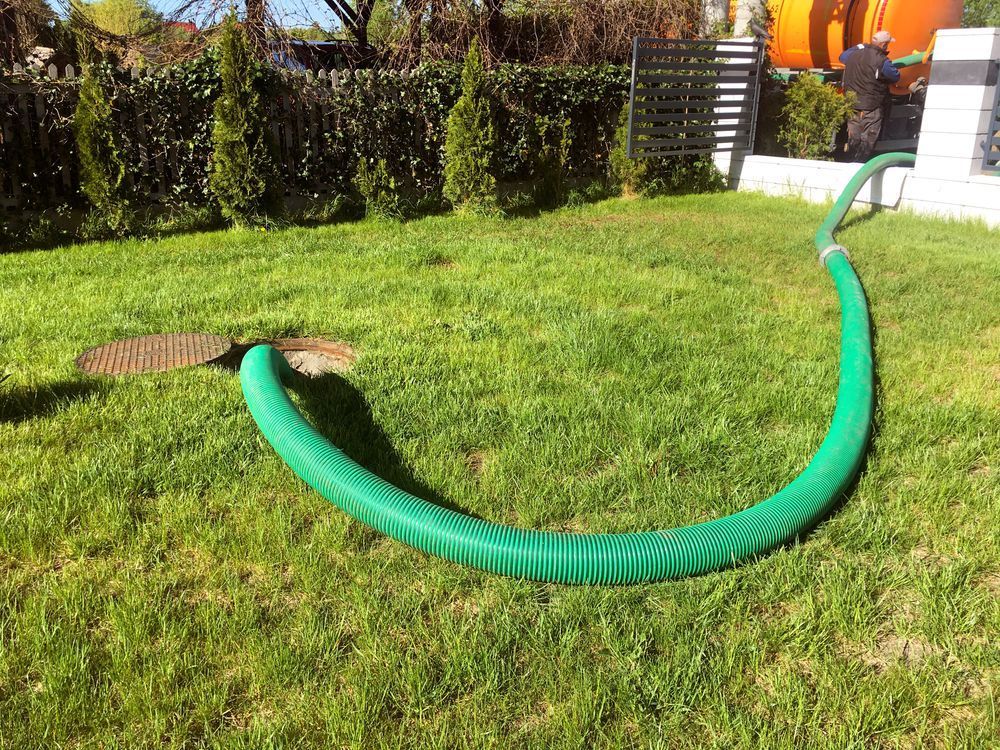
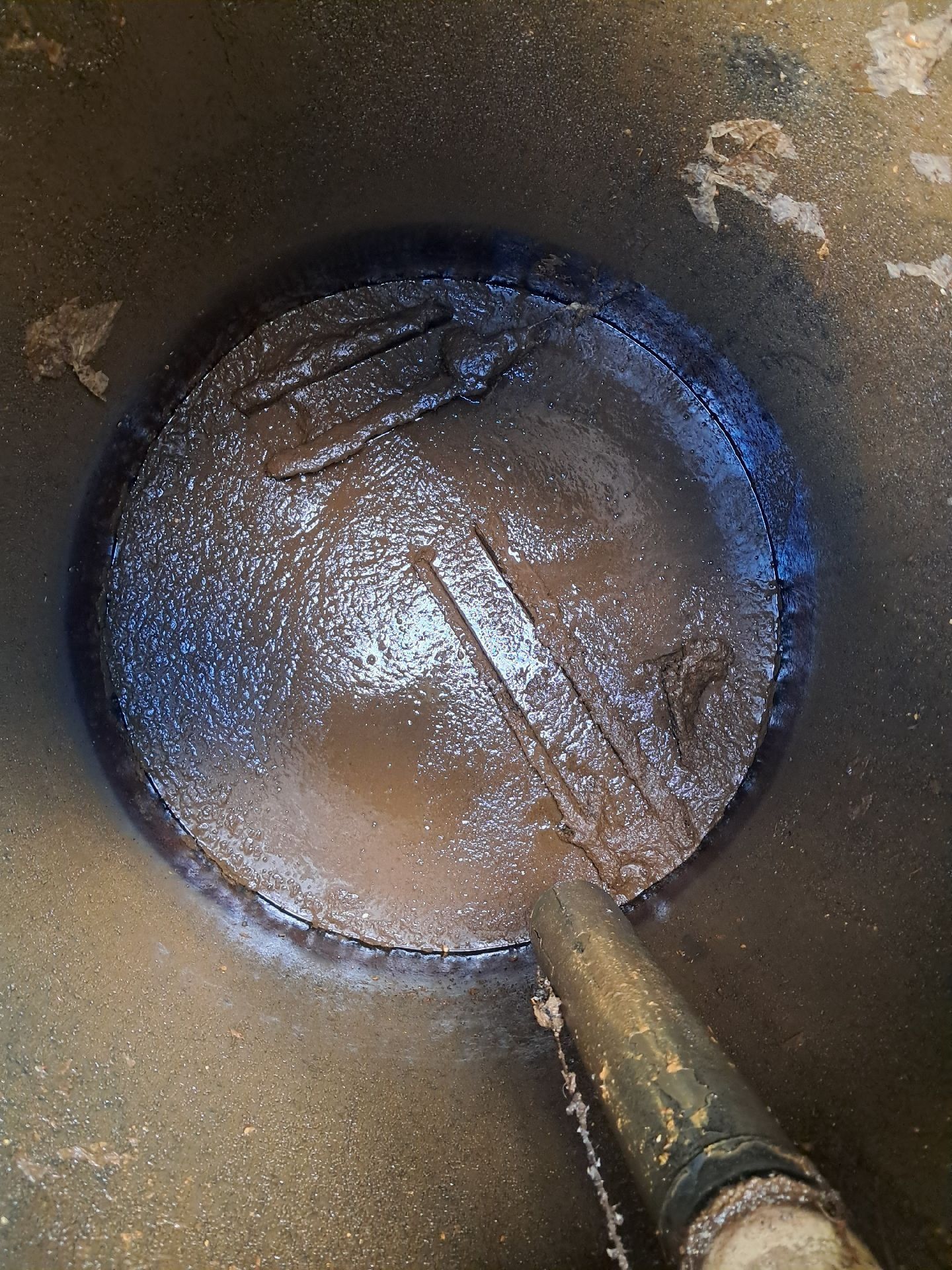
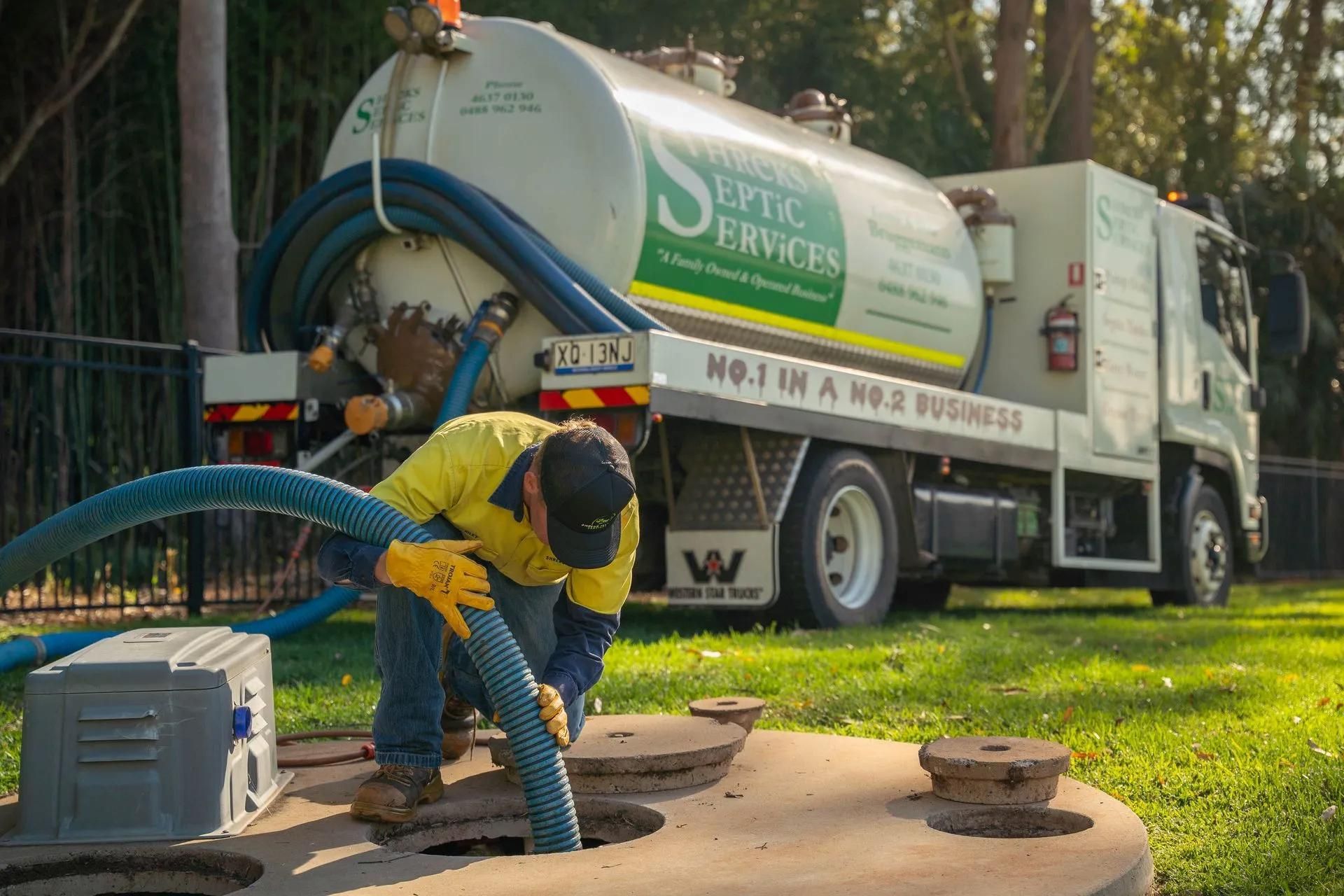
One of the most critical aspects of septic system maintenance is regular tank pumping. Over time, the sludge layer in your tank will continue to build up. If it's not removed, it can eventually overflow into the drain field and cause damage.


The frequency of pumping depends on the size of your tank and the number of people living in your home. In general, a tank should be pumped every three to five years. However, if you have a larger tank or more people living in your home, you may need to pump more frequently.

The Septic Whisperers

At Shrek's Septic Services, we have a way with septic systems because we’ve been working with them for over 40 years. Our team can provide regular maintenance, repairs and pumping services to keep your system in top condition and functioning smoothly.


Don't wait until it's too late! Contact Shrek's Septic Services today to schedule your next septic system maintenance appointment. Reach out via our contact form or call (07) 4637 0130—Let us take care of your system, so you can focus on enjoying your home without worrying about costly repairs.

Neglected Septic Tank
By Shreks Septic Services December 15, 2025
Learn health risks of neglected systems and why septic tank cleaning in Toowoomba protects health and property. Book professional service now.
Septic Tank Truck Parked Inside a Garage
By Shreks Septic Services December 9, 2025
Learn how septic tank cleaning protects your system in Toowoomba and prevent costly repairs. Get expert tips and book your service today.
A septic tank being pumped out
By Shreks Septic Services September 19, 2025
Unsure if your septic tank is full? Visit Shreks Septic Services' blog to discover what to look out for! We pump out septic tanks across Toowoomba.
More Posts